
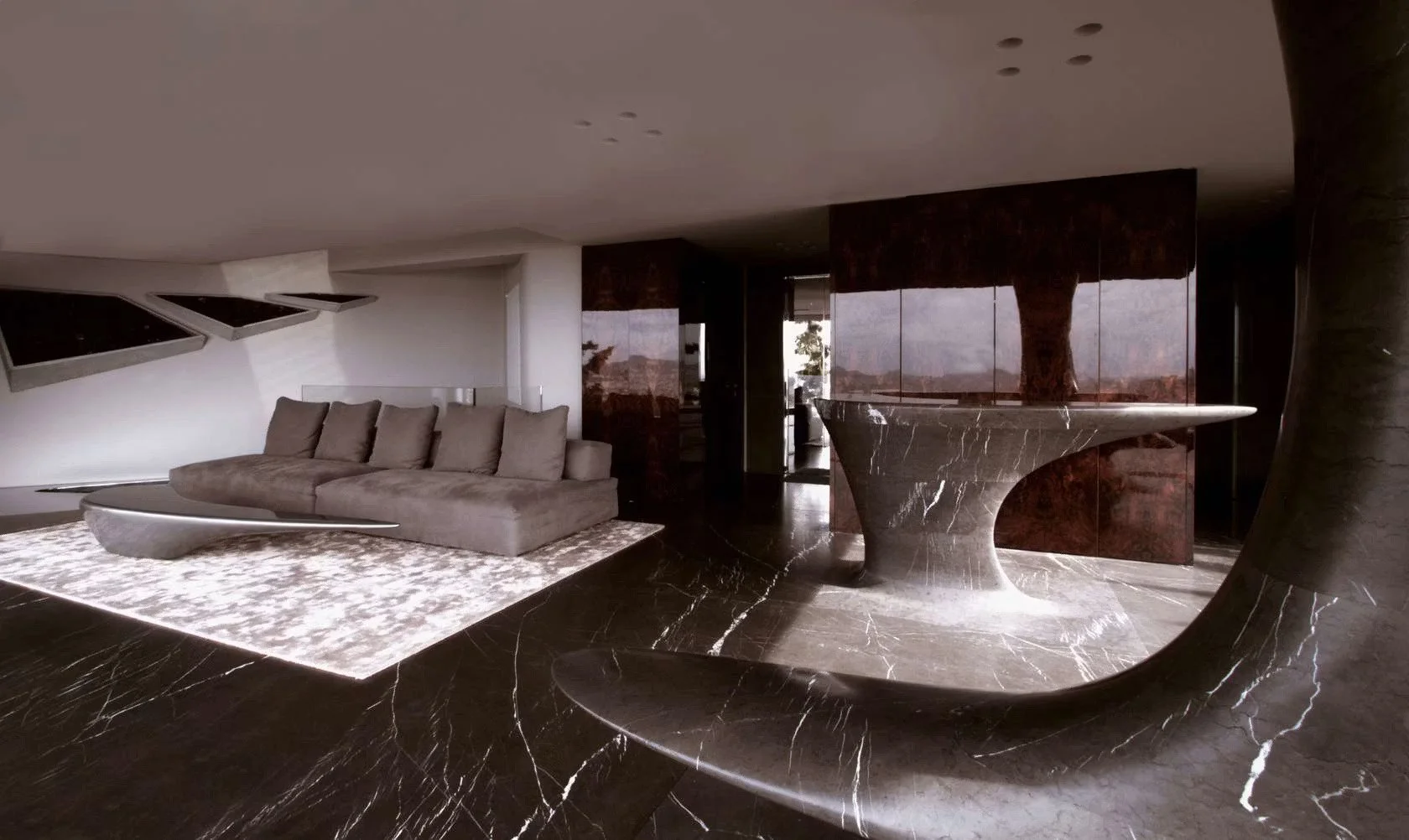
“Exploring the resurgence of marble as a “monolith”—a singular, massive, structural entity—in modern luxury interior design, moving beyond its traditional role as decorative cladding.”
This trend signifies a return to structural permanence and is becoming a new standard in global luxury, particularly influencing luxury villa design and premium apartment design in Bangladesh.
Historical Context of the Monolith
Ancient Precedent: The concept of the monolith evokes ancient monuments. Early Roman architects used monolithic columns to signify eternal stability.
Evolution of Use: Historically, marble transitioned from thick structural blocks to thin veneers and intricate marquetry due to technological advancements favoring efficiency.
Contemporary Revival: The current trend sees a return to treating marble as a "form" rather than a "skin," recapturing the power of solid stone. In contemporary Dhaka luxury apartment design, the monolith serves as an architectural anchor.
Architectural Innovation and Marble's Role
The evolution of marble use reflects a shift towards structural purity:
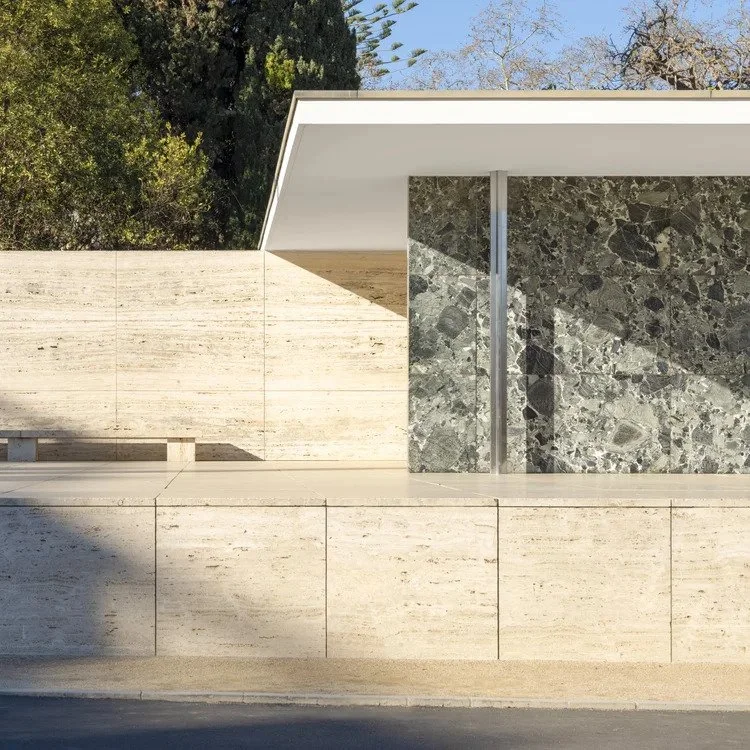
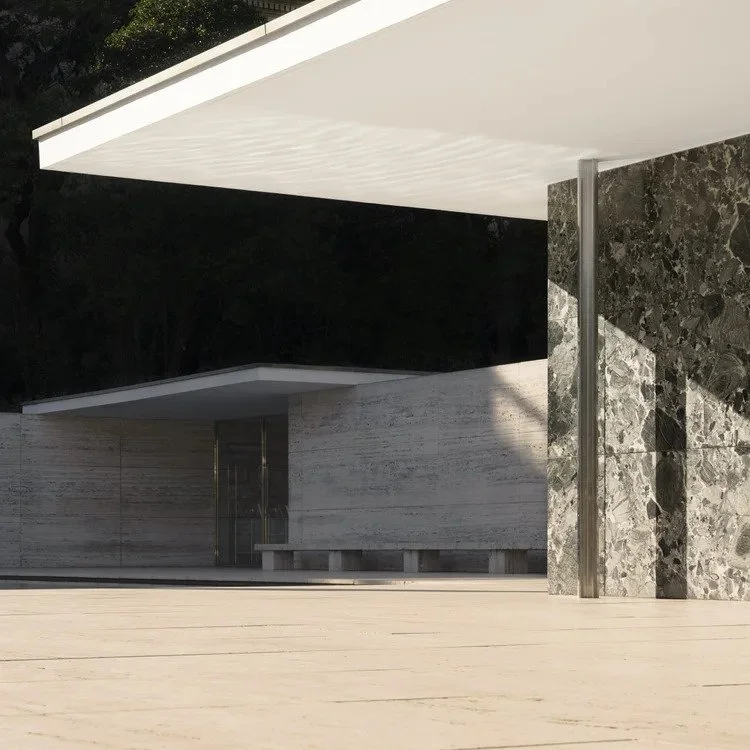
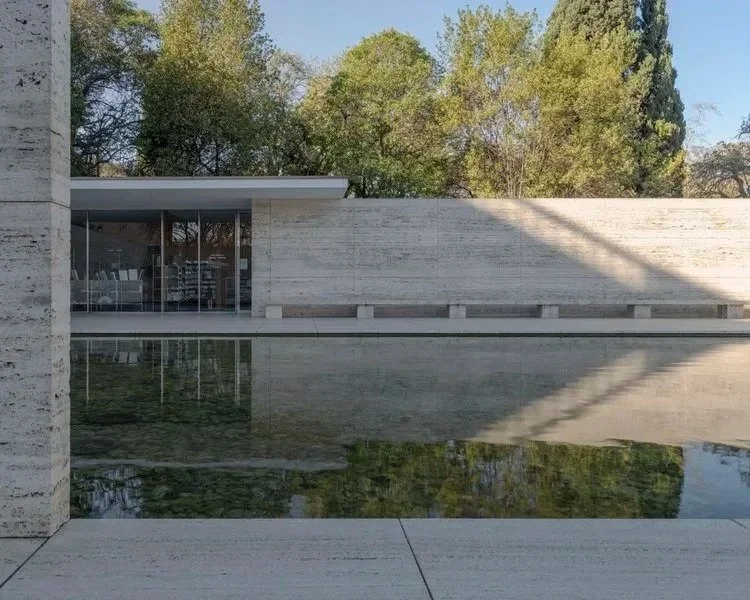
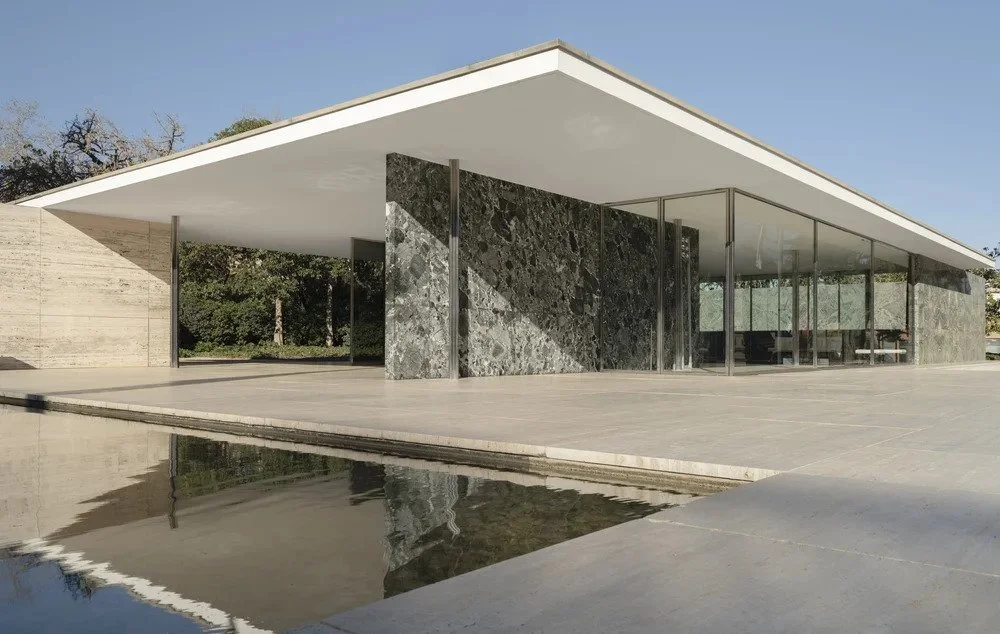
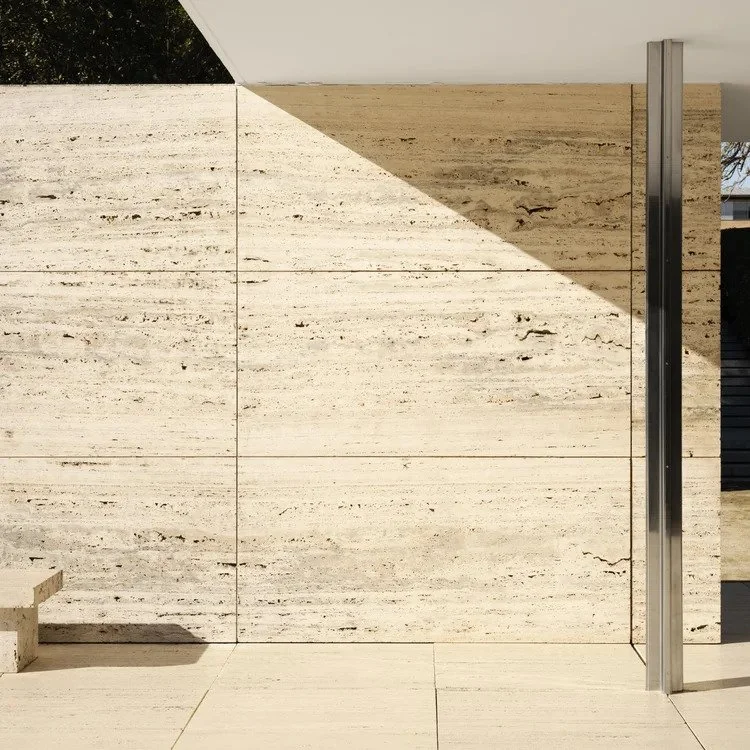
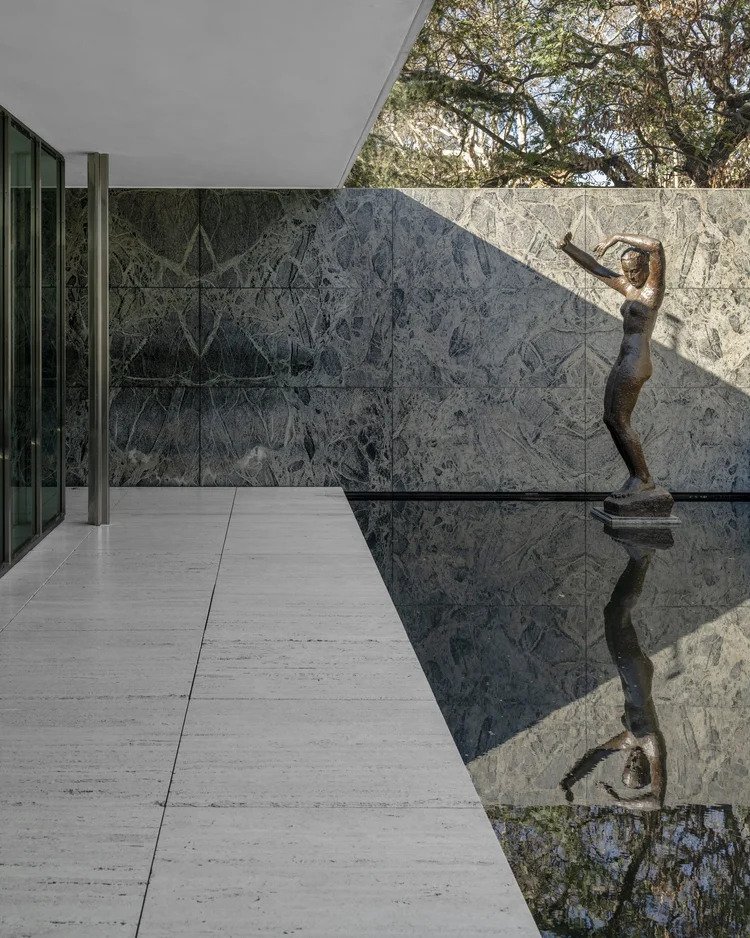
Ludwig Mies van der Rohe: In his 1929 Barcelona Pavilion, he used massive marble slabs (green Tinos marble and golden onyx) as free-standing structural planes, where the marble was the wall, defining spatial boundaries.
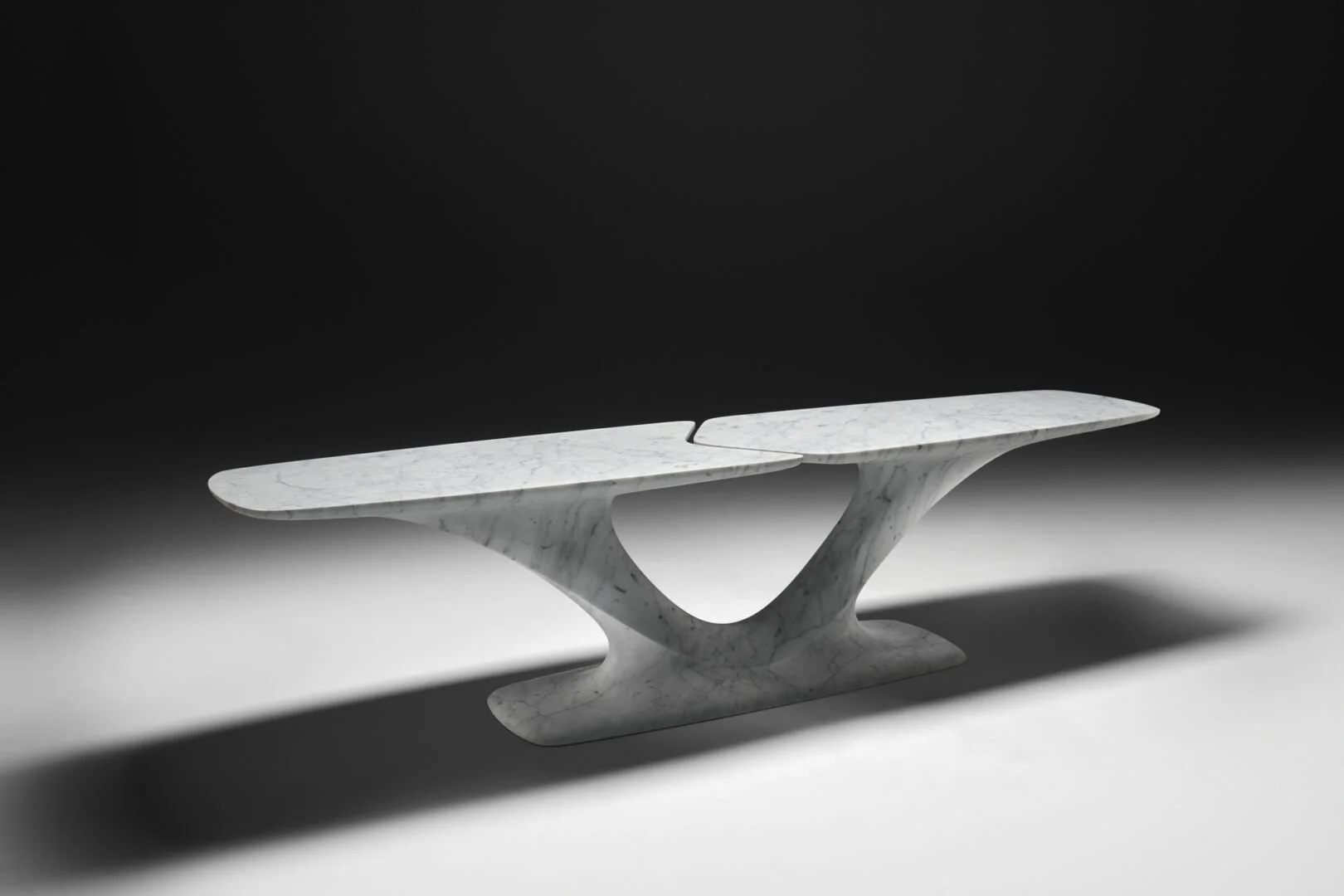
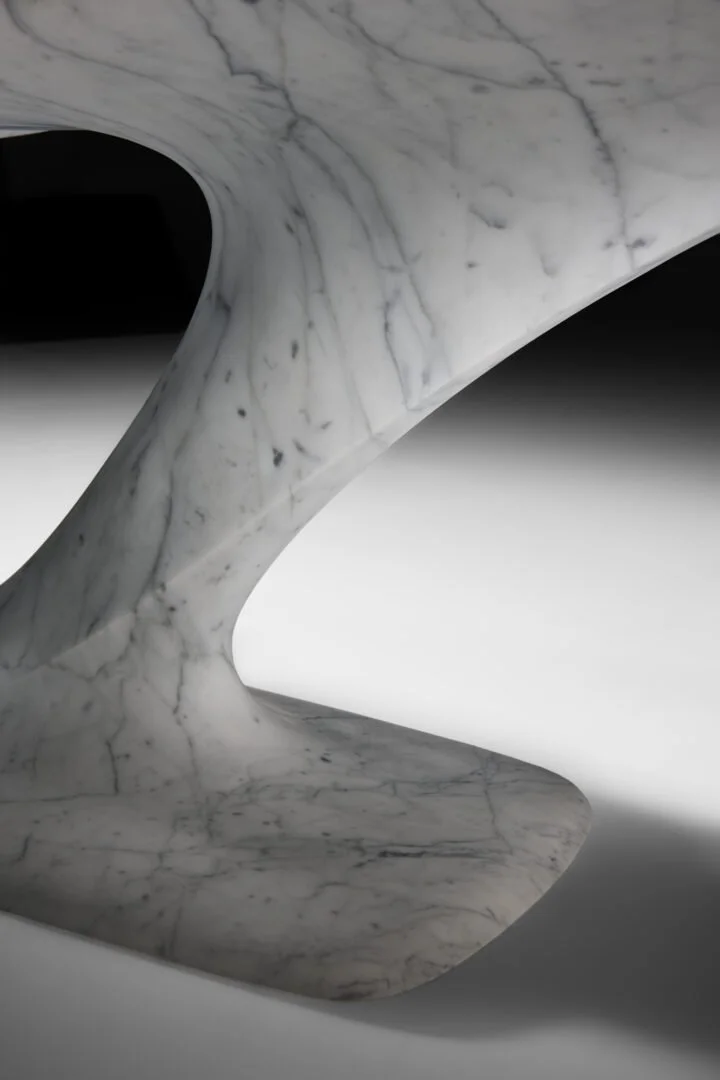
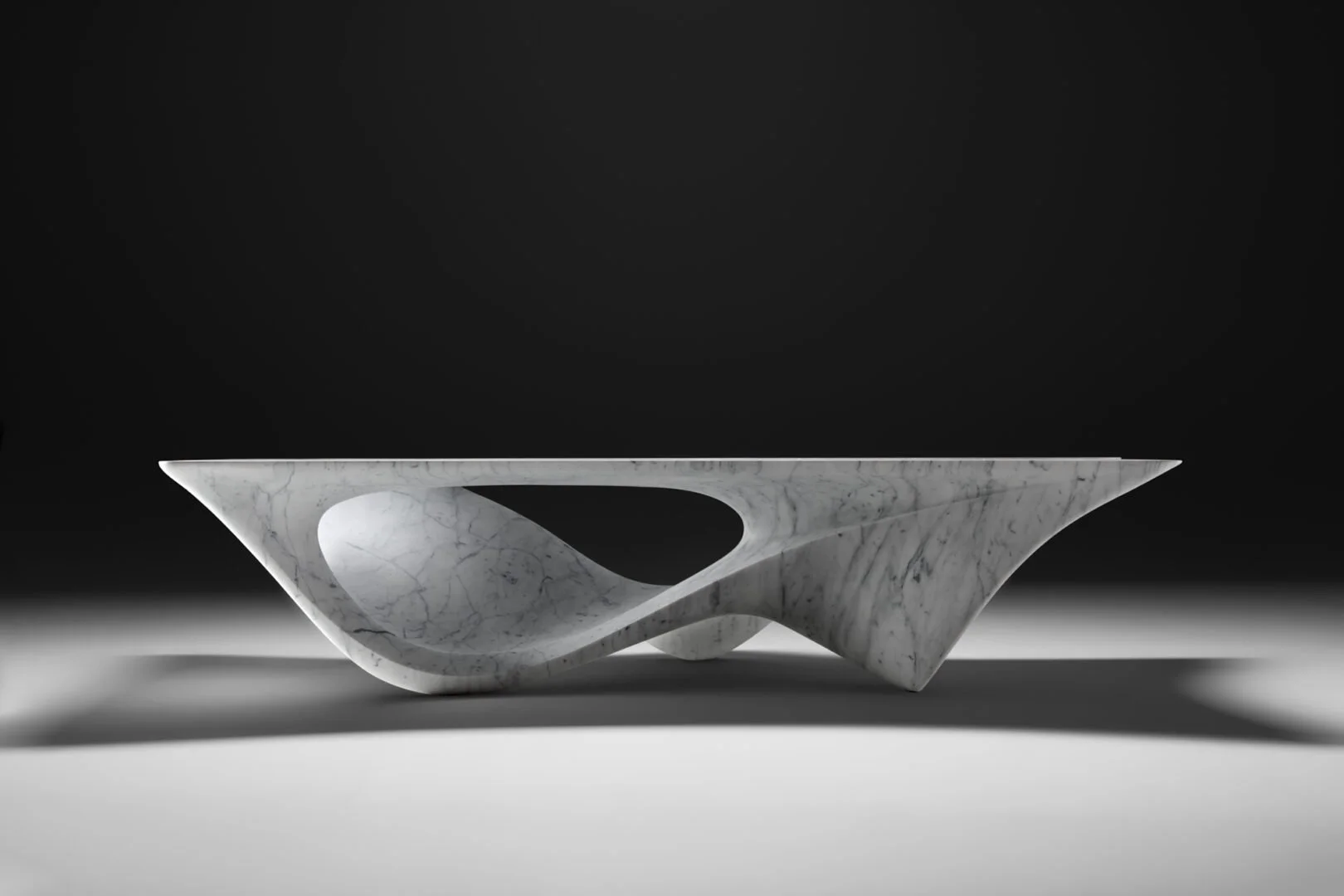
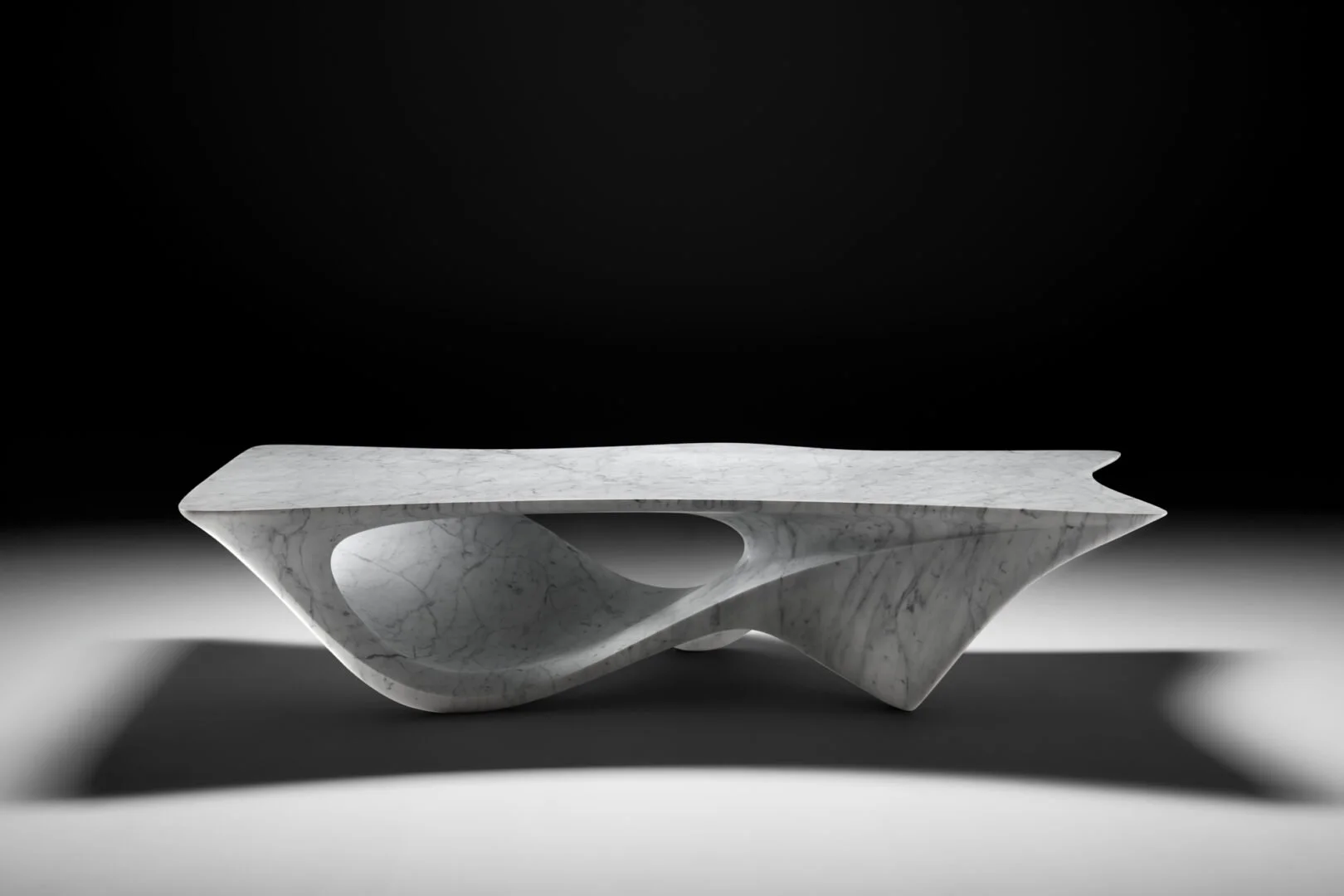
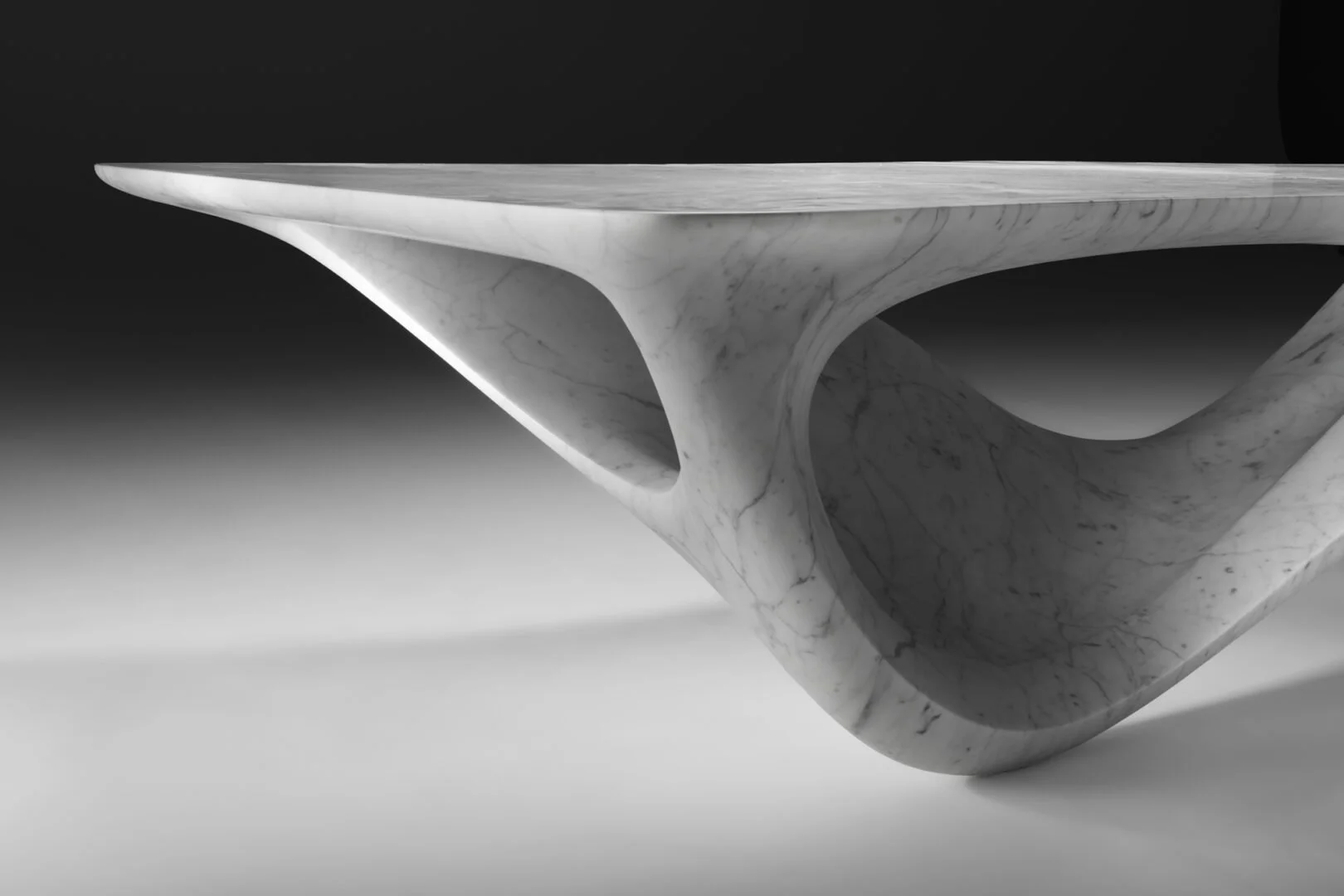
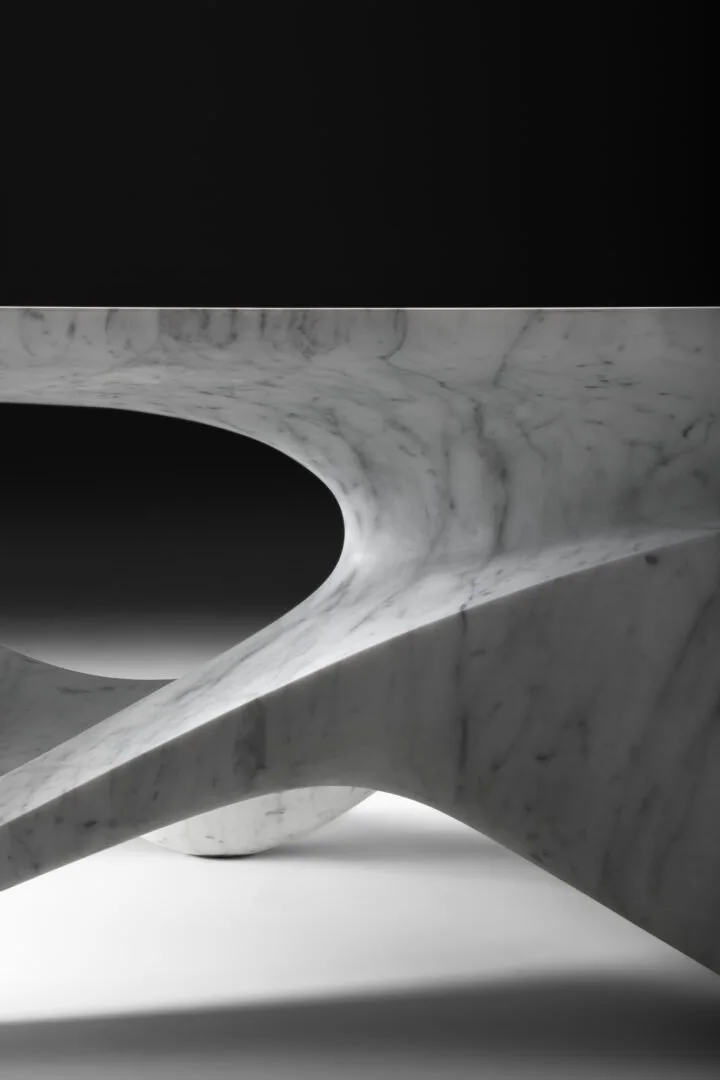
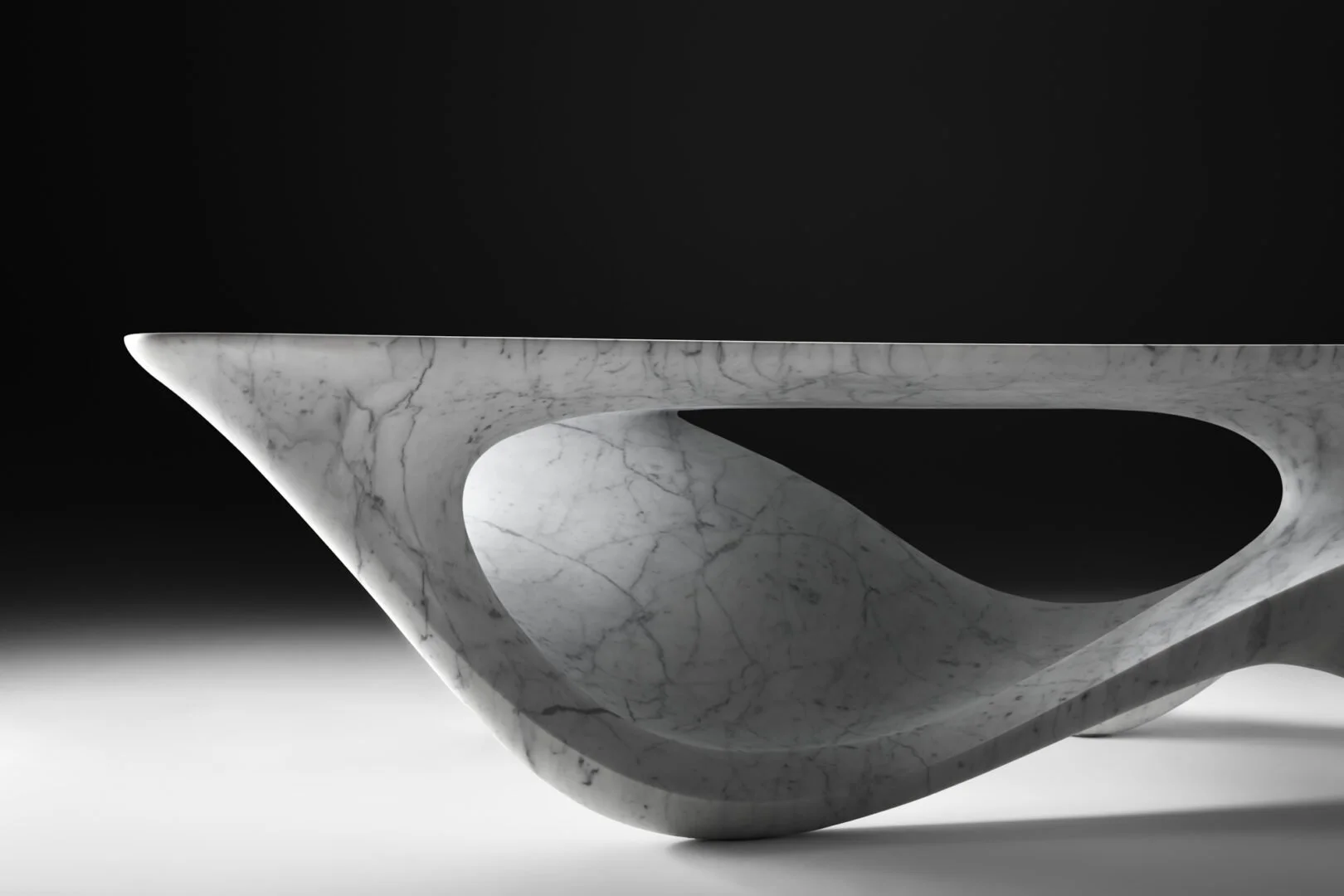
Zaha Hadid: In the contemporary era, she utilized advanced CNC milling to transform heavy marble into fluid, organic shapes, demonstrating that a monolith could be sculptural.
Monolithic Furniture and Elite Sourcing
The monolithic trend has extended to furniture, with "marble blocks" becoming staples in minimalist homes globally. The focus is now on furniture carved entirely from a single block, rather than marble-topped tables with separate legs.
Strategic Selection and Curation
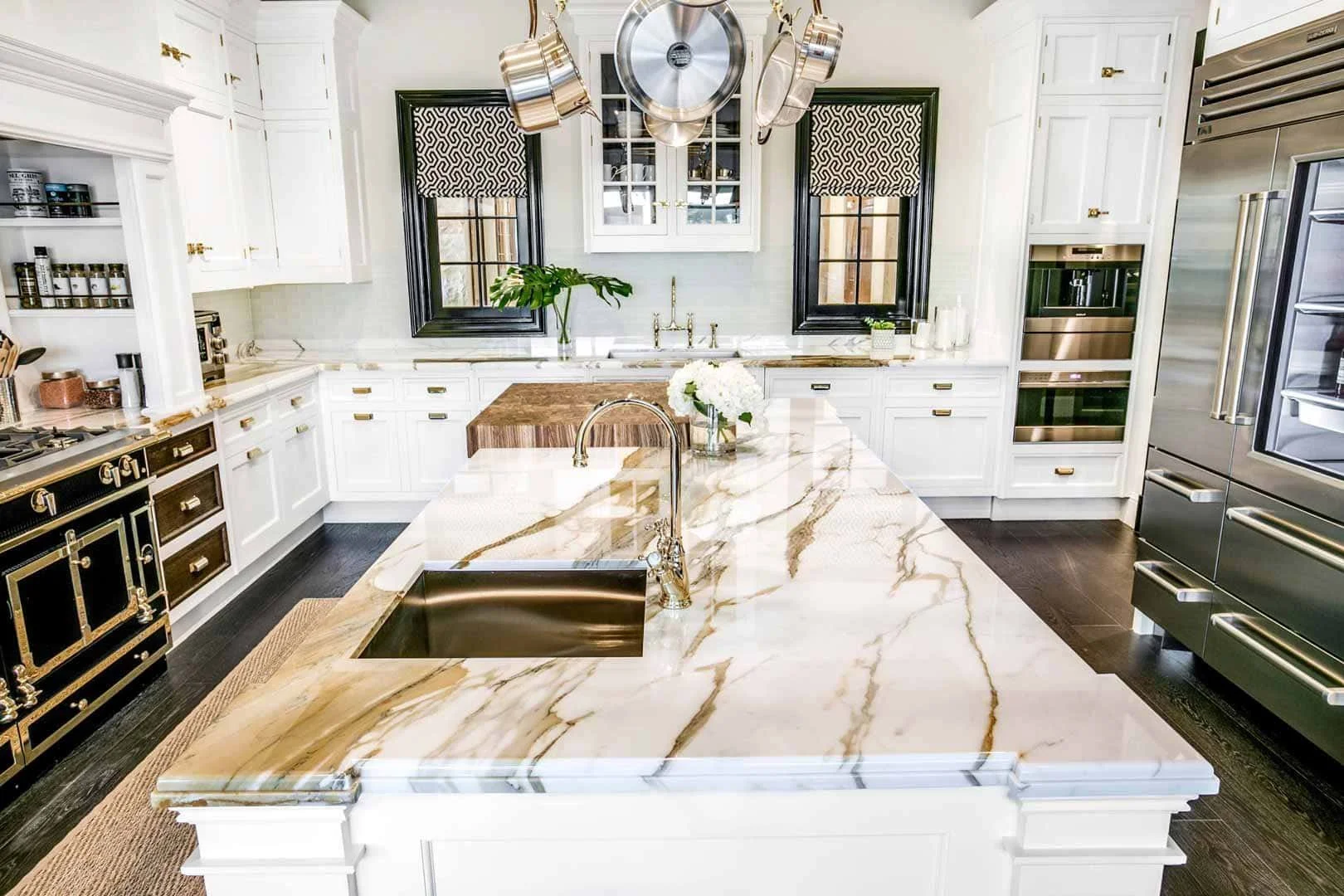
Incorporating a marble monolith, such as a Calacatta Borghini island for luxury kitchen design in Bangladesh or a Nero Marquina dining table, requires careful consideration of variety, book-matching, and finishing techniques.
Preservation and Maintenance
Owning a marble monolith requires commitment. Professional-grade sealing is essential to prevent deep staining, and daily care should involve pH-neutral cleaners to avoid acid damage.
Timeless Reflection and "Slow Design"
The marble monolith represents a return to authenticity. Choosing solid, permanent stone is an act of "slow design," an investment in something unearthed, not manufactured, anchoring the home with undeniable gravity.