
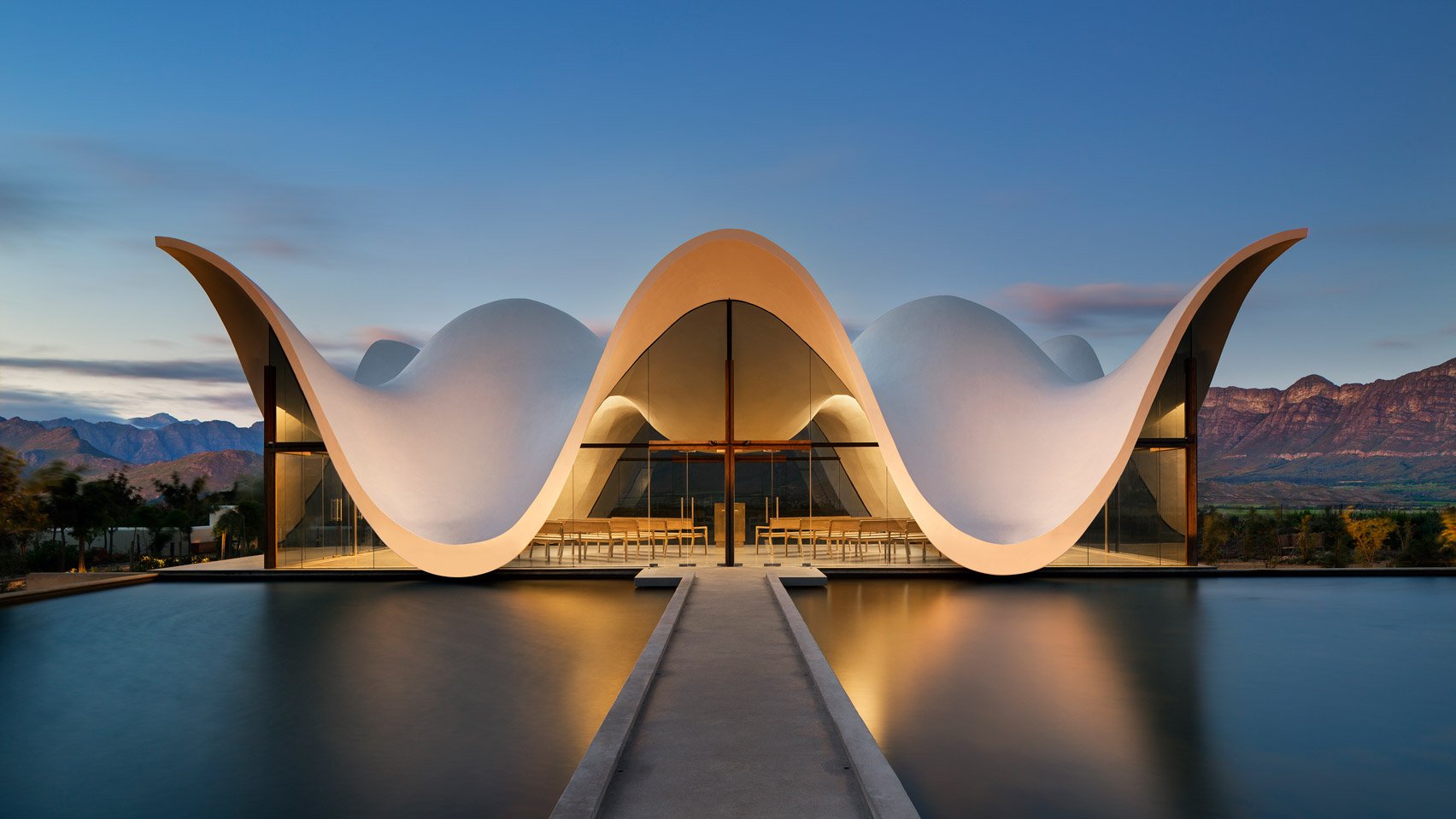
Introduction to Sinuous Architecture
Architecture is transitioning from the rigidity of the right angle, historically symbolizing industrial order, towards sinuous architecture characterized by organic, flowing volumes that dissolve sharp demarcations. This evolution signifies a radical reimagining of how built environments interact with ecological contexts and human psychology.
These architectural and interior design trends are being adopted by the Bangladeshi interior designers community, catering to both localized HNW enclaves and a global diaspora, with mastering the architectural curve becoming a signature of modern luxury.
The Philosophy of the Curve
Sinuous architecture emphasizes continuous geometries, undulating surfaces, and the absence of conventional corners, drawing inspiration from fluid dynamics and geological formations. This biophilic approach moves beyond the modernist "machine for living" paradigm, evoking kinetic movement and fostering a tactile harmony between shelter and nature.
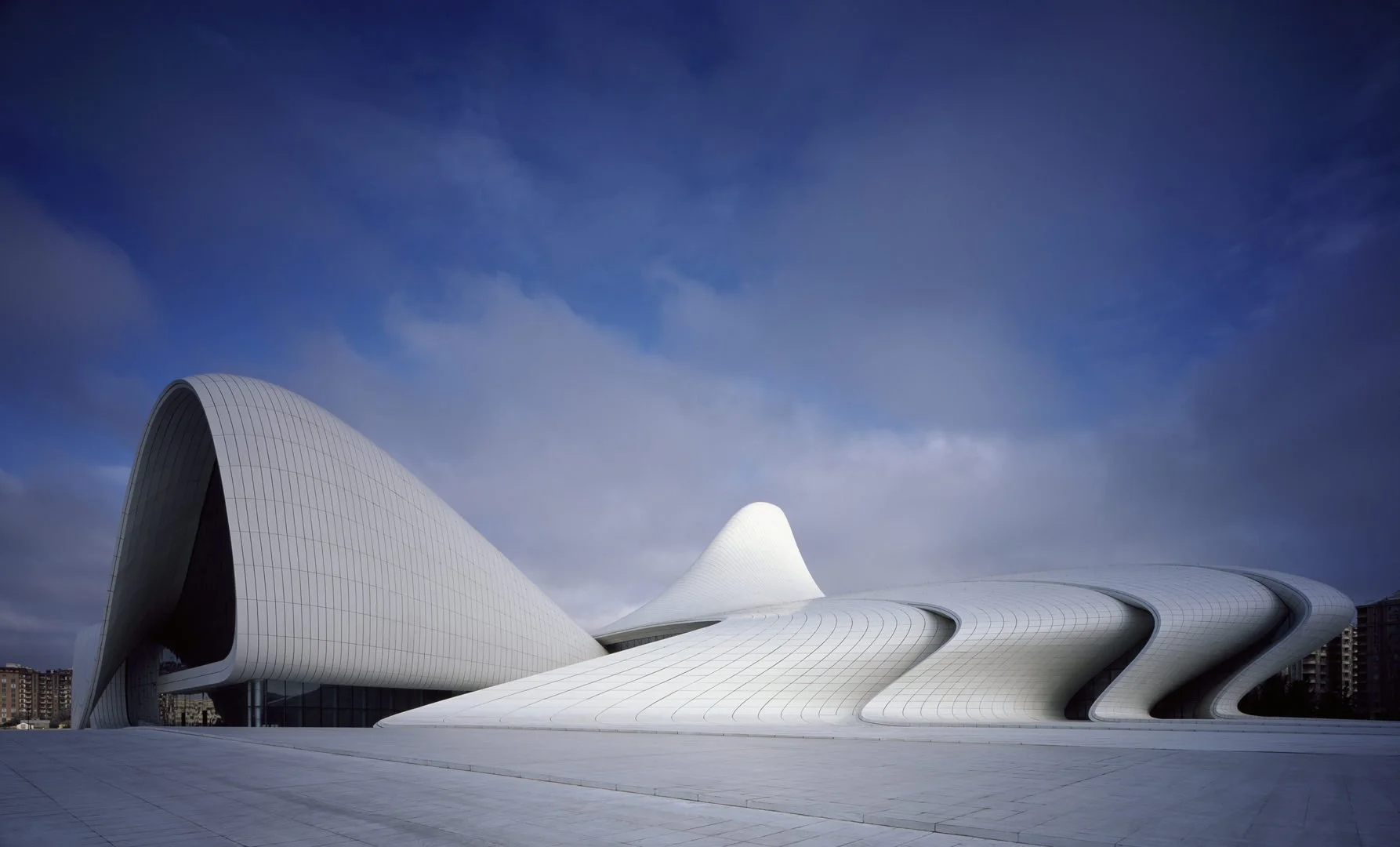
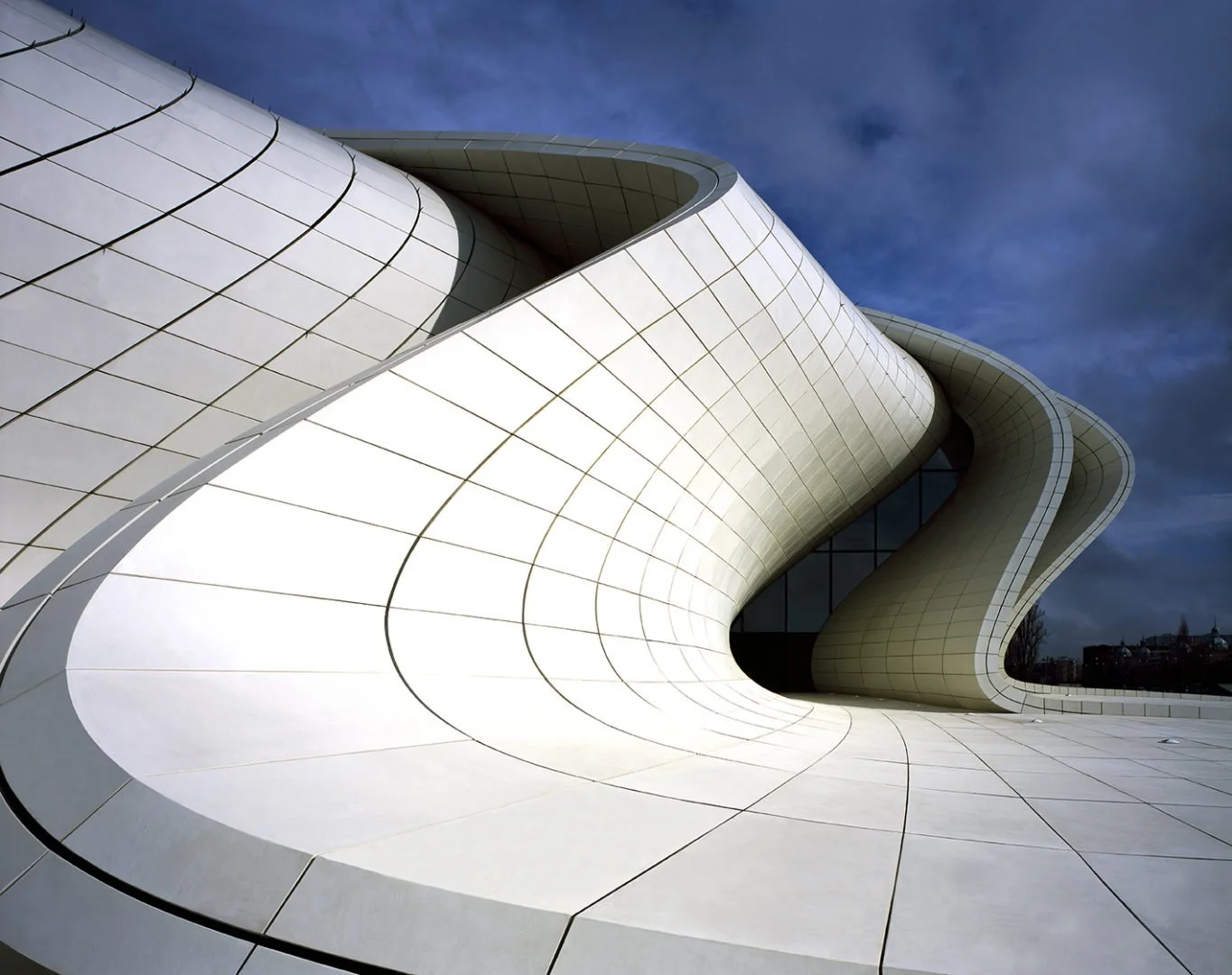
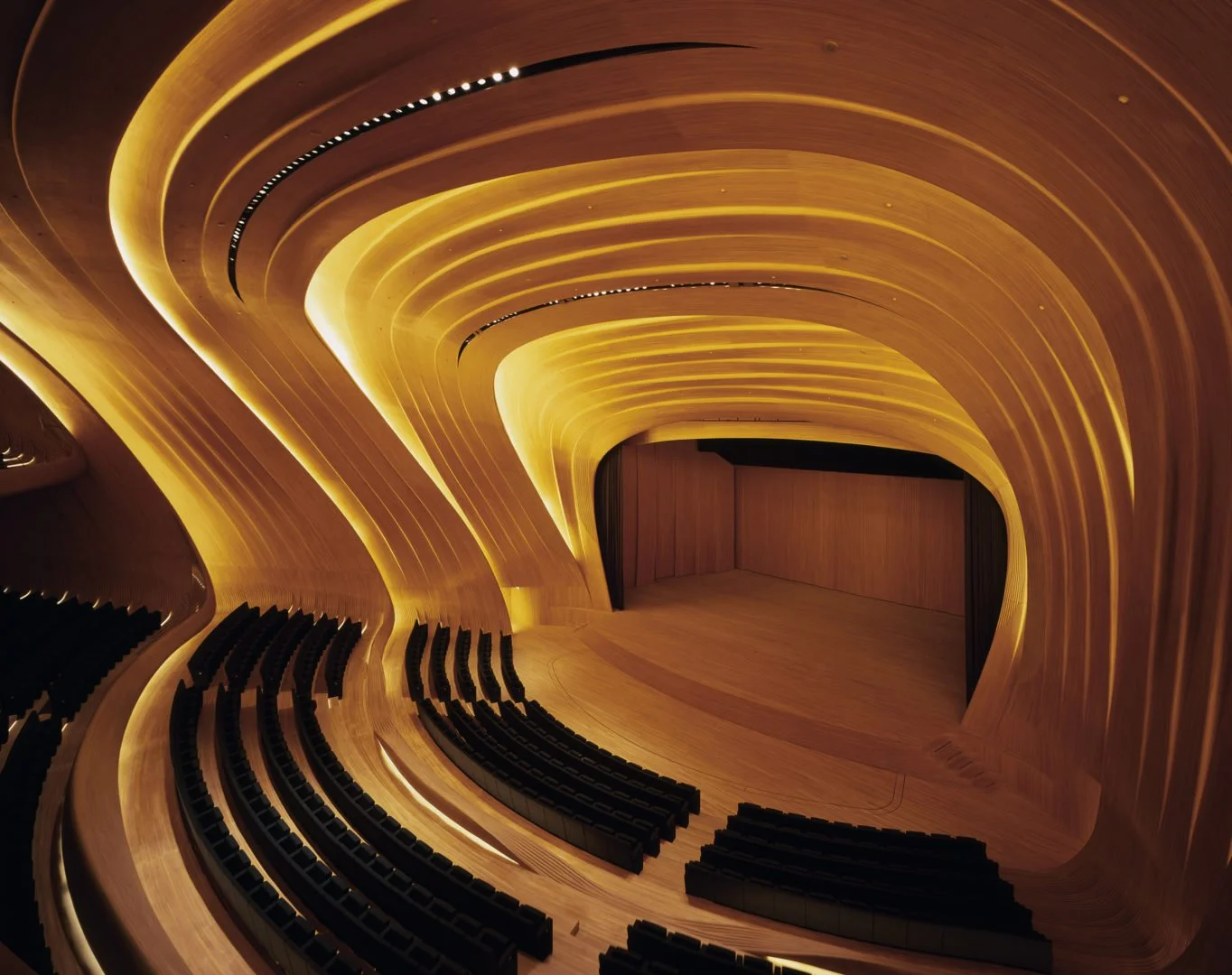
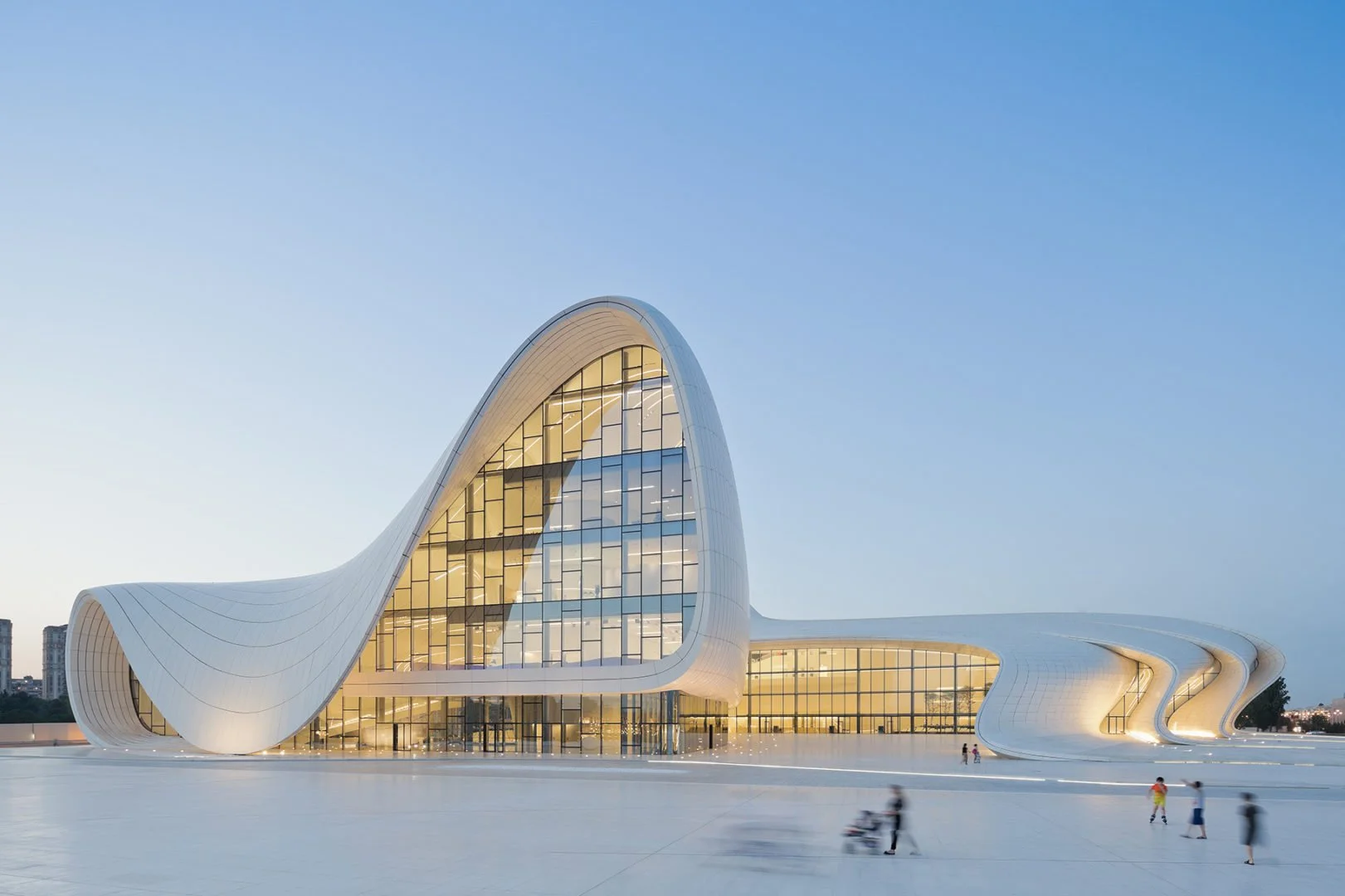
Visionaries like Zaha Hadid pioneered this style, merging ground, wall, and canopy into singular expressions. This philosophy now informs luxury villa design in Bangladesh and ambitious Dhaka luxury apartment design, where spatial fluidity signifies exclusivity and architectural sophistication.
The Global Sourcing Paradigm: Engineering Spatial Fluidity
The realization of complex sinuous geometries requires an evolution in procurement, shifting from traditional purchasing to curating a global supply chain.
Delivering premium interior design for Bangladeshi architects demands technical mastery of advanced fabrication and material science, including parametric modeling, Ultra-High-Performance Concrete (UHPC), and large-scale 3D printing. Practitioners must integrate international manufacturing hubs with local sites.
Navigating the supply of Chinese export interior materials to Bangladesh has become a strategic design enabler. Direct engagement with advanced fabrication centers allows for the precise specification of marble flooring, engineered luxury bathroom fixtures, and bespoke lighting fixtures for Bangladesh projects.
This direct-to-source methodology maintains the absolute purity of design intent while rationalizing the cost of luxury interior decoration in Bangladesh for ultra-prime real estate.
Sinuous Interiors: Bespoke Residential Transformations
This fluid architectural philosophy extends inward, replacing compartmentalized rooms with volumetric zones featuring soft spatial gradients, setting a new benchmark for custom luxury interior design.
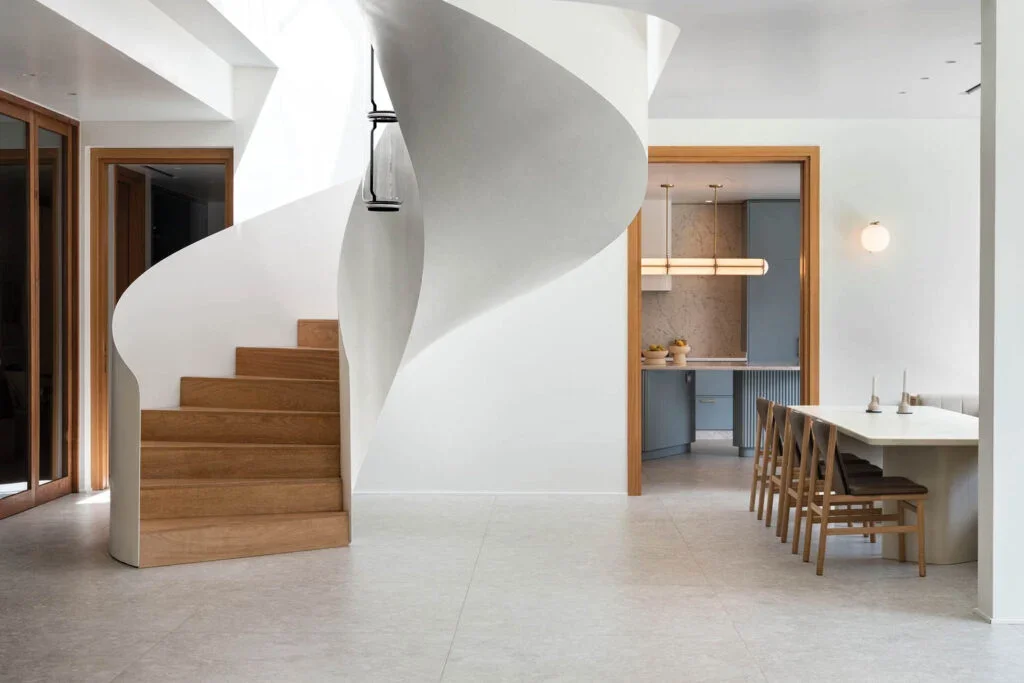
Sculptural Furnishings: Organic, biomorphic silhouettes are replacing rigid geometry in seating. This often involves collaborating with high-end furniture brands in Dhaka hosts or curating imported luxury Italian furniture demand.
Material Convergence: Liquid metals, heat-slumped glass, and thermoformed wood create a unified aesthetic of futuristic elegance. Staircases become sculptural extrusions, and walls seamlessly merge into ceilings.
Intelligent Textures: Textural layers, such as the imported wallpaper luxury homes use for acoustic softening, are paired with the discreet smart home automation luxury villas require for environmental control. These standards are evident even in technical zones, driving a modern renaissance in luxury kitchen design in Bangladesh.
The Transnational Lifestyle of the Global Elite
The demand for modern luxury interior design inspiration has gone truly transnational. For the global Bangladeshi elite, an uncompromising standard of organic, flowing design must serve as the common thread unifying their international portfolios. This challenges architectural firms to maintain a cohesive aesthetic language across borders—whether conceptualizing interior design in Dubai for Bangladeshi investors or undertaking a luxury house renovation in the UK.
However, executing a cohesive signature style does not mean a one-size-fits-all approach; rather, it demands profound localized sensitivity. True mastery lies in adapting biophilic concepts to fit specific urban contexts: whether tailoring interior design in London for Bangladeshi clients to complement strict historic preservation, or adjusting interior design in Toronto for the Bangladeshi community to inject visual warmth into colder climates. Similarly, executing premium condo interior design in Singapore—or refining interior design in Singapore for Bangladeshi expats—shifts the focus toward maximizing spatial fluidity within hyper-dense high-rise footprints.
Ultimately, sustaining this seamless cross-border lifestyle requires more than just design adaptability; it relies on supply chain mobility. To translate these fluid concepts into reality, avant-garde firms must leverage robust global networks, efficiently routing the bespoke Chinese furniture logistics facilities, and strategically deploying the premium Chinese building materials developments depend upon.
The Collaborative Enabler: Elevating the Architect's Vision
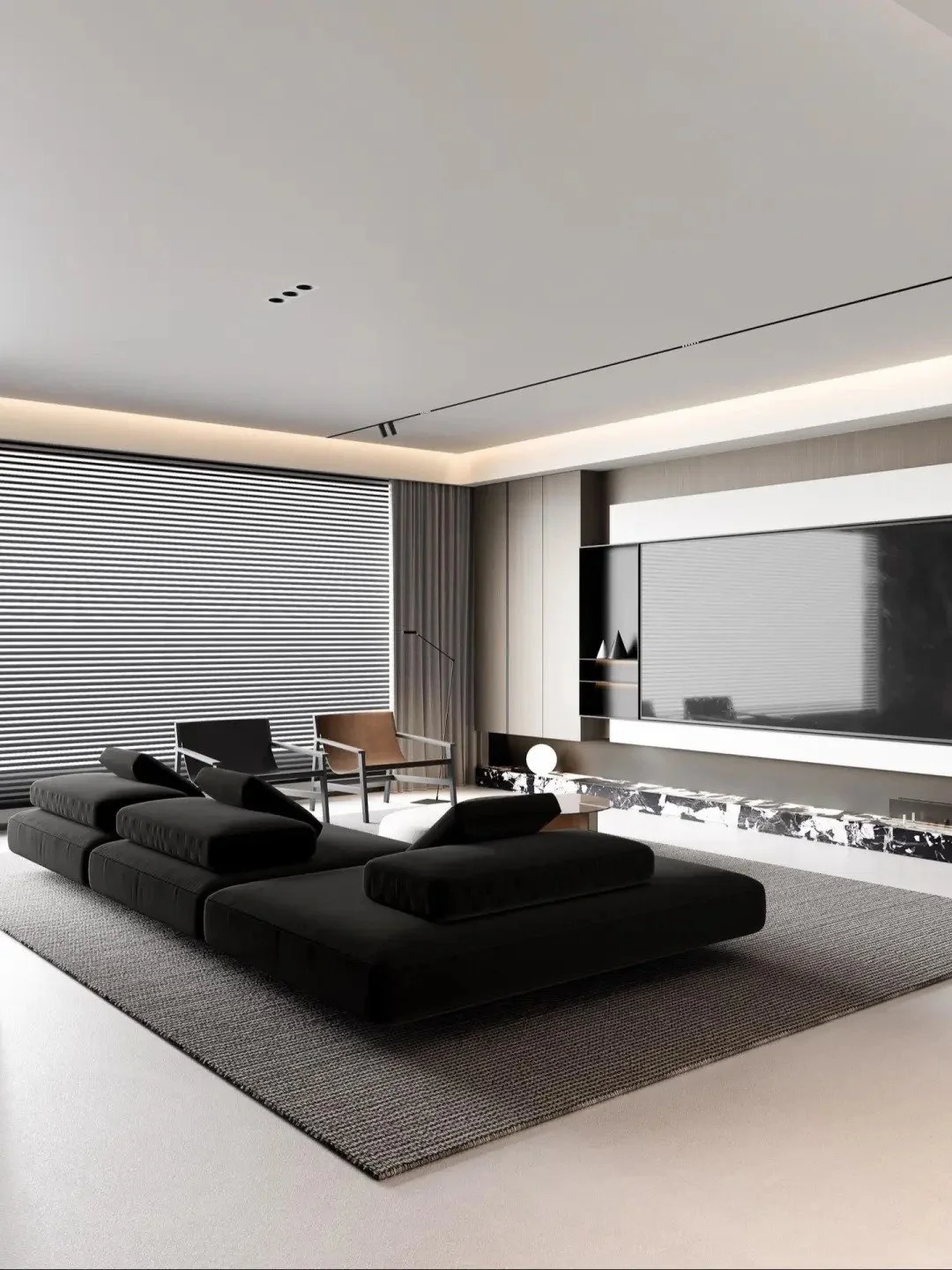
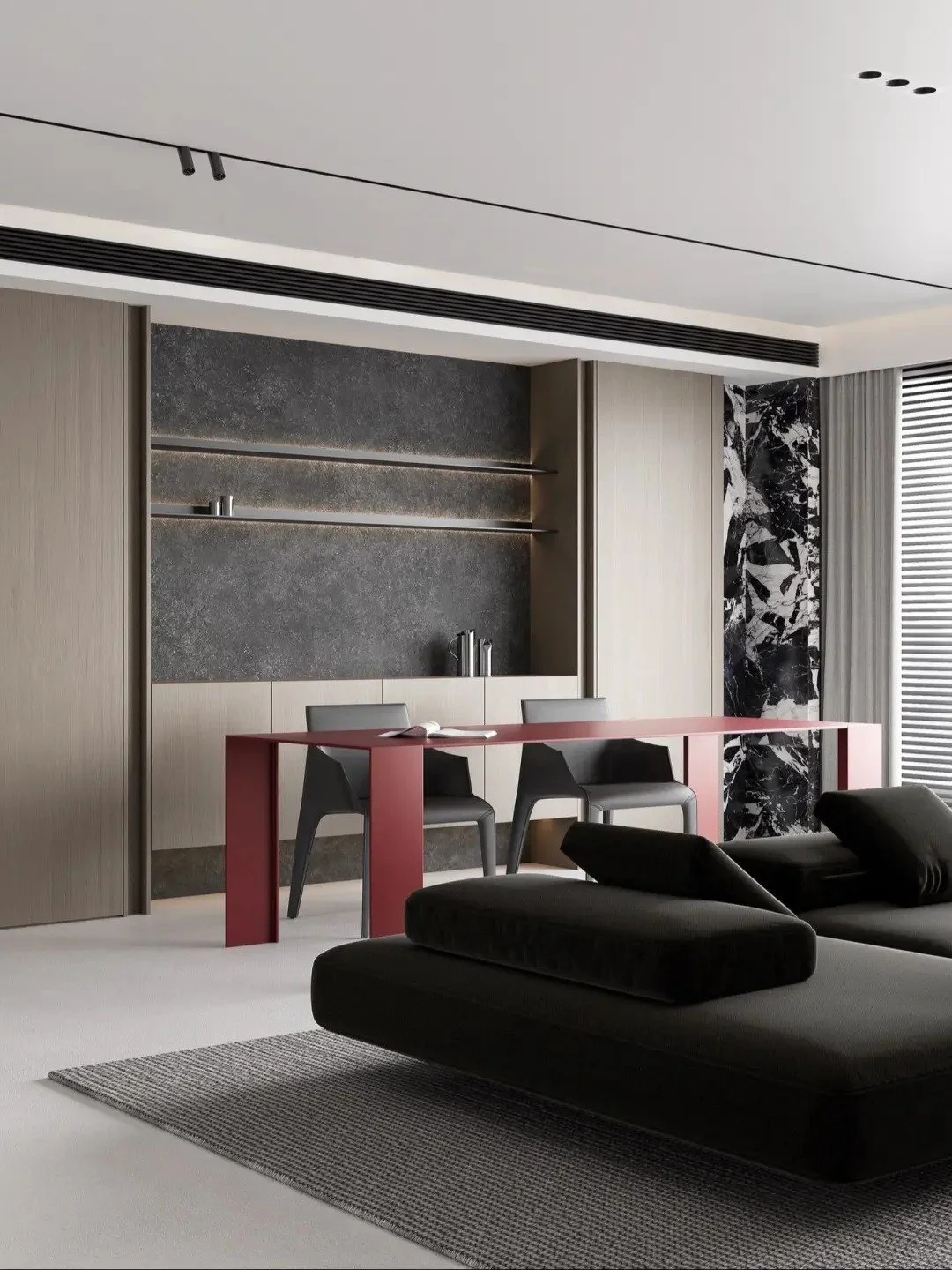
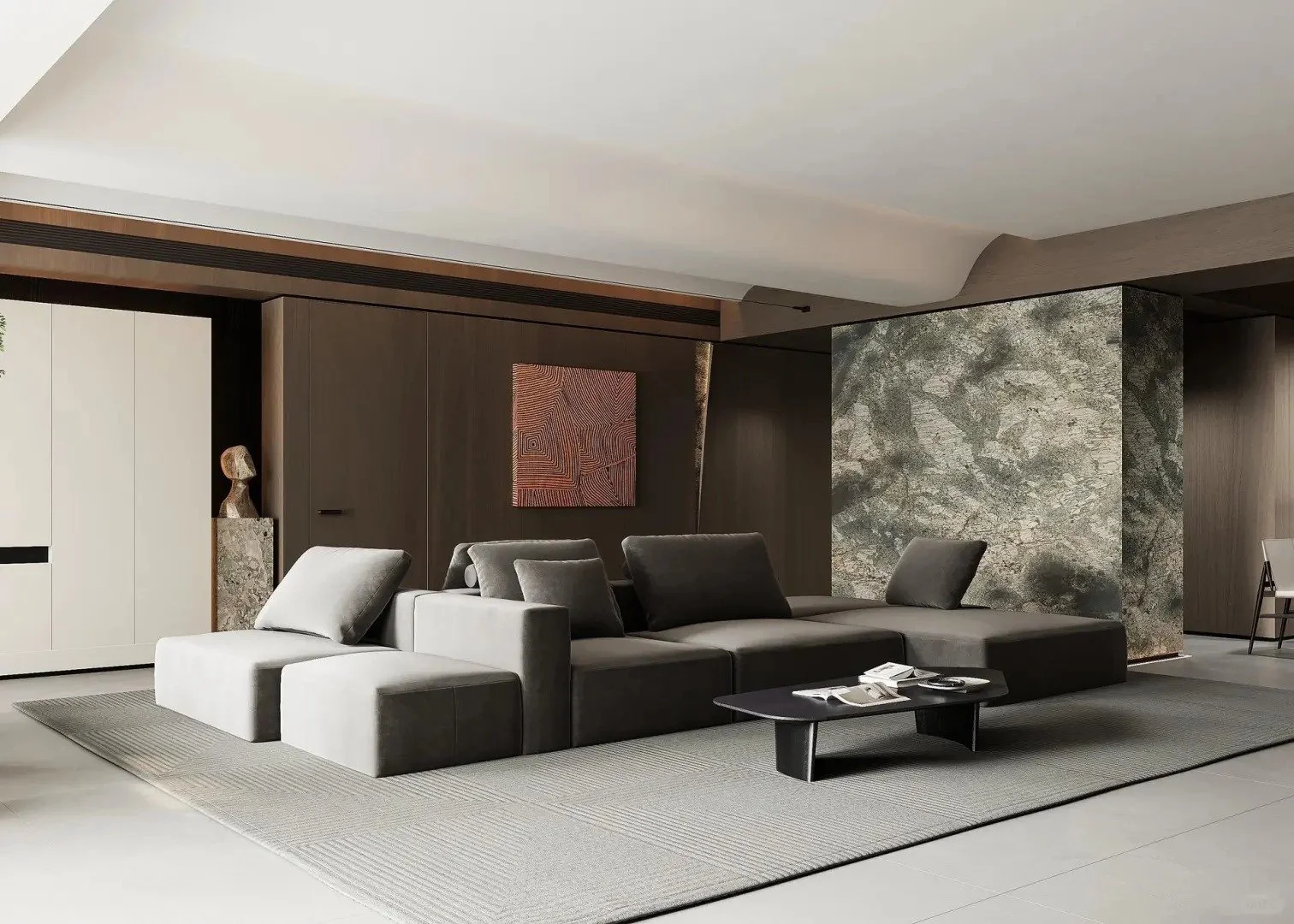
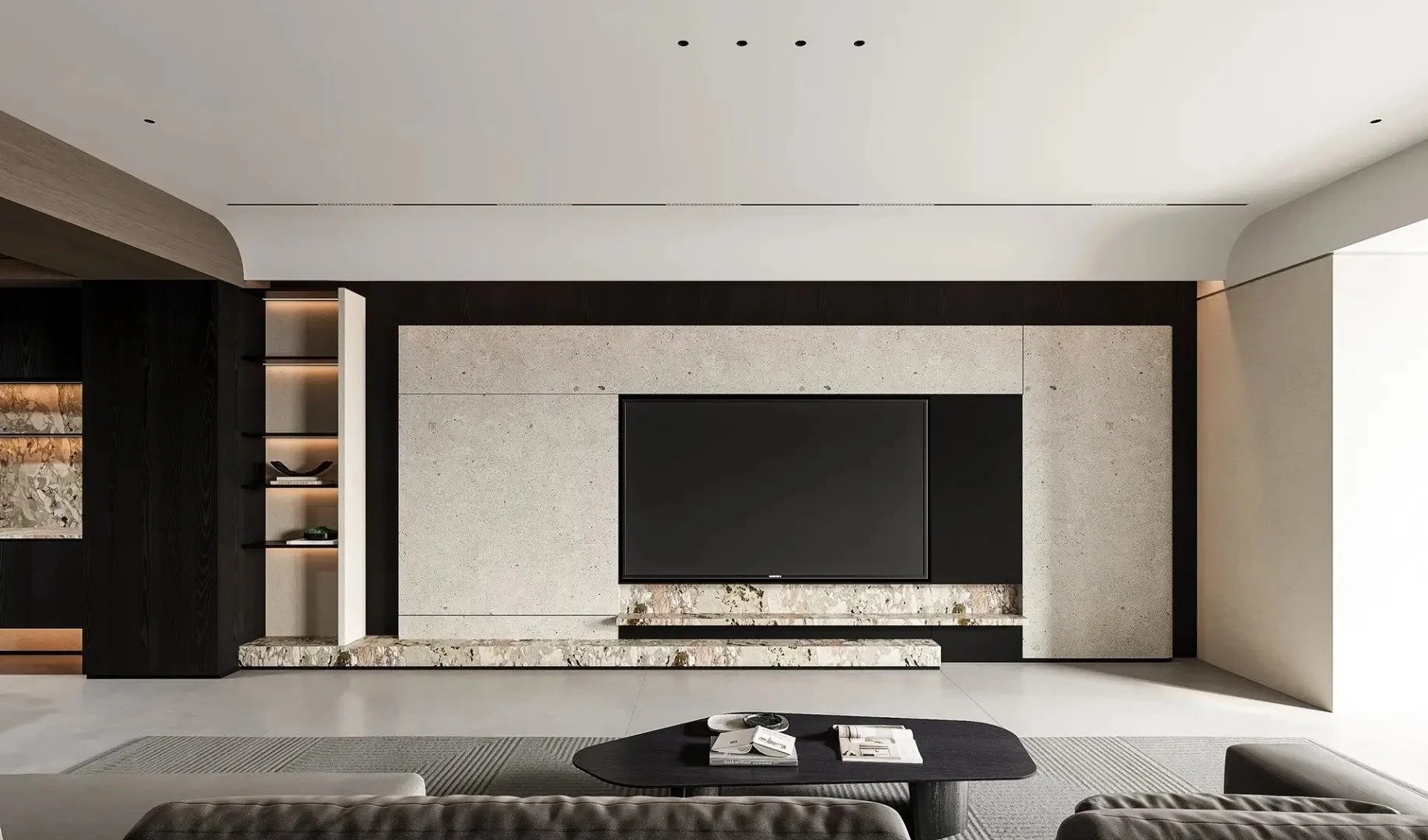
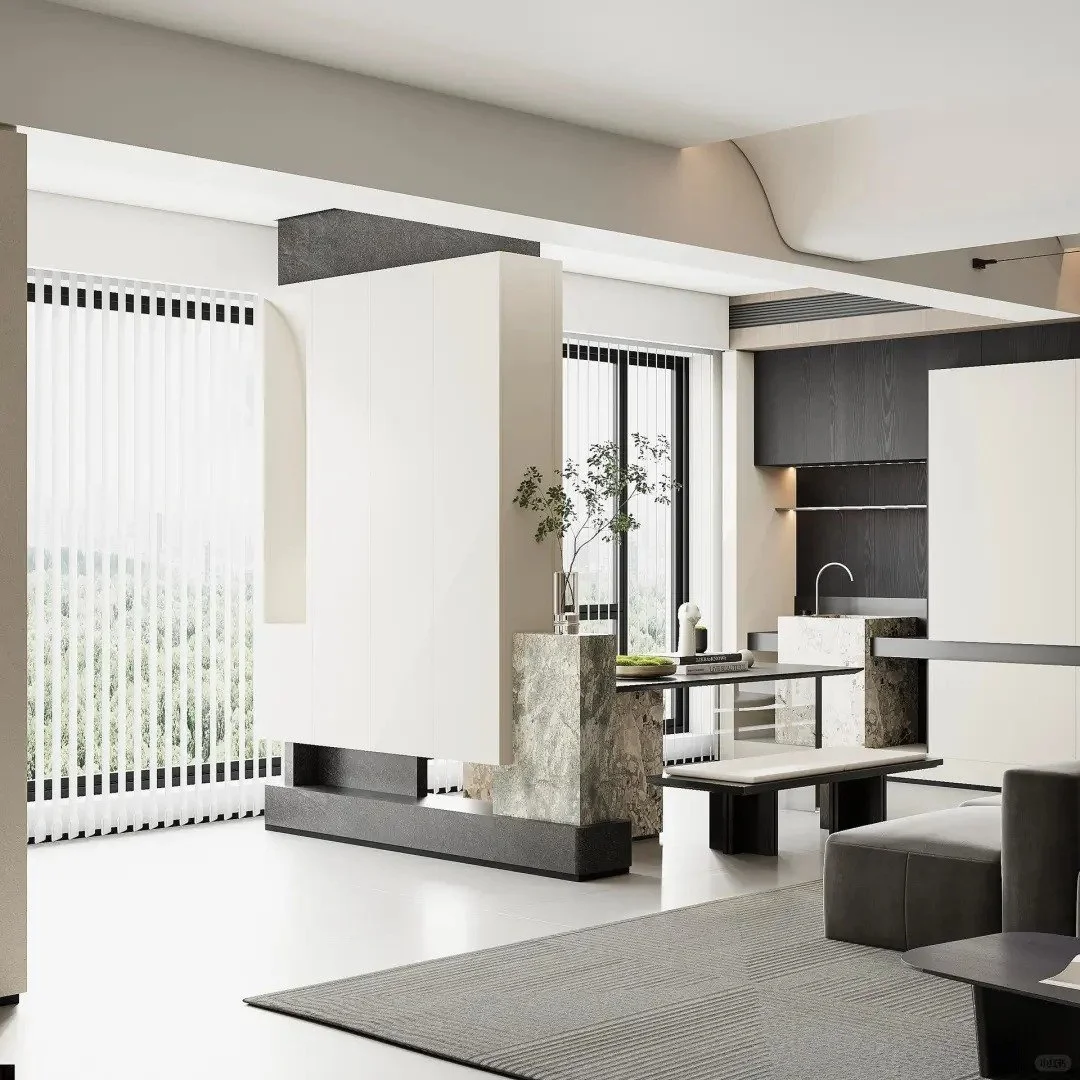
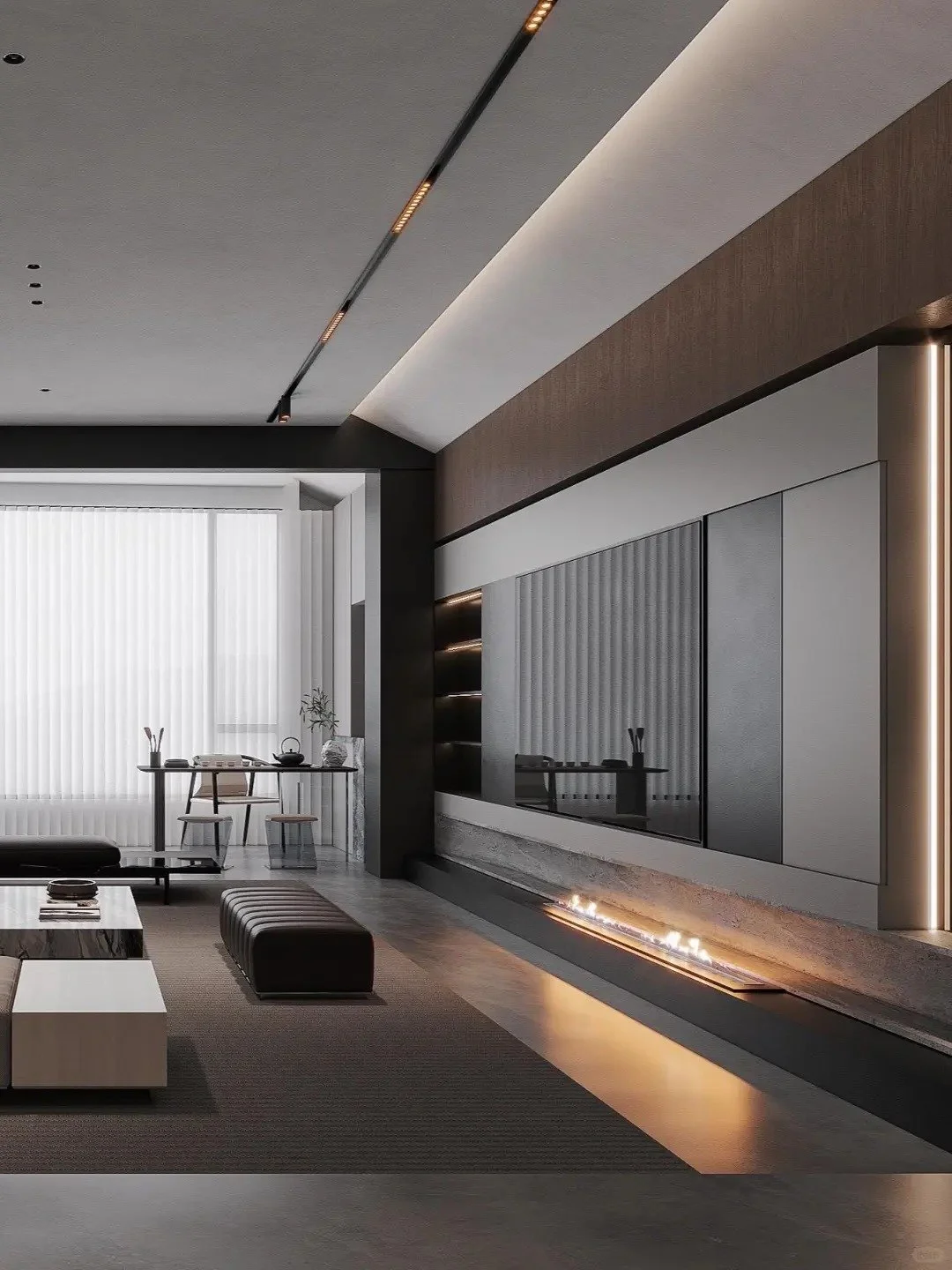
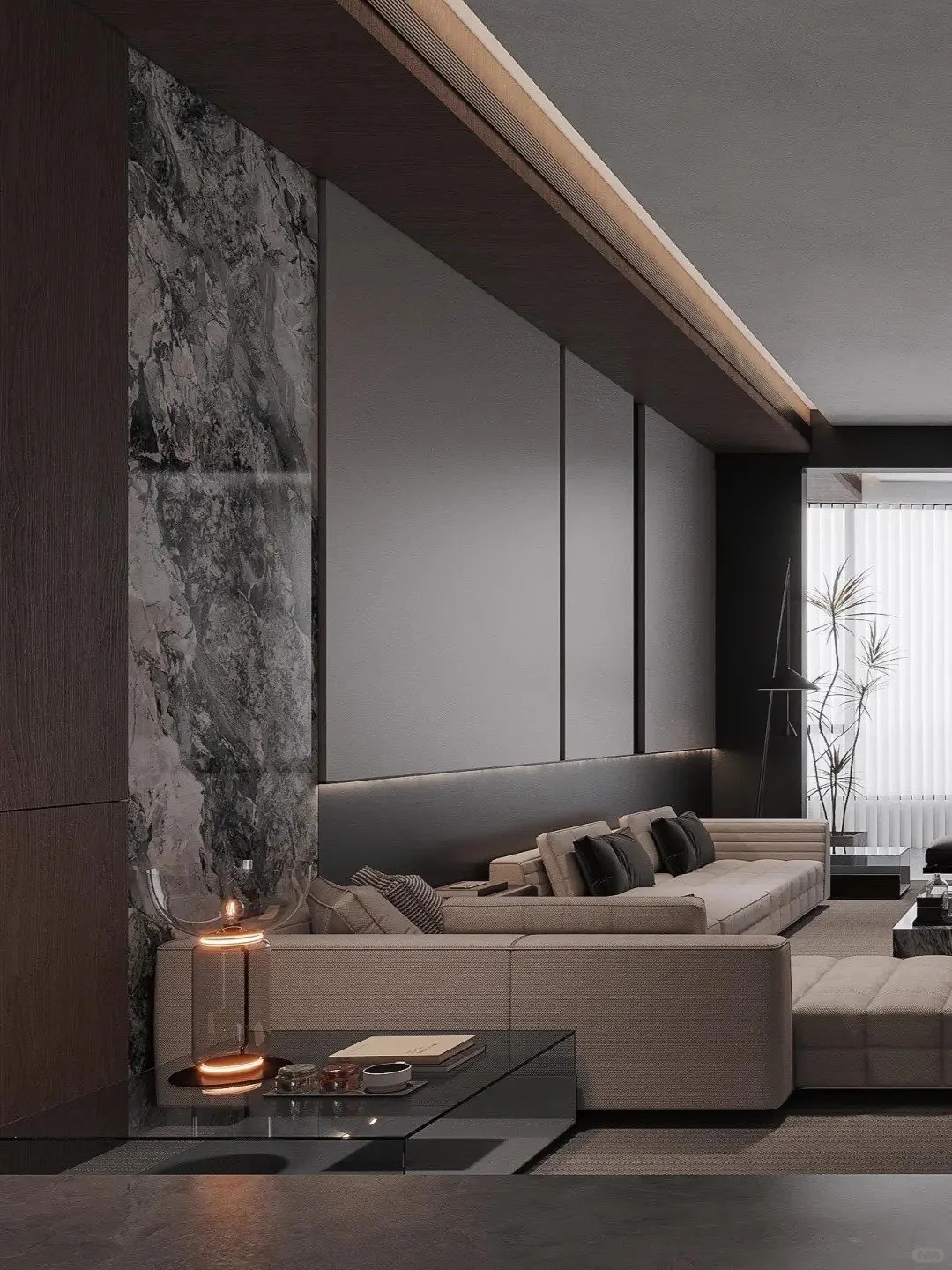
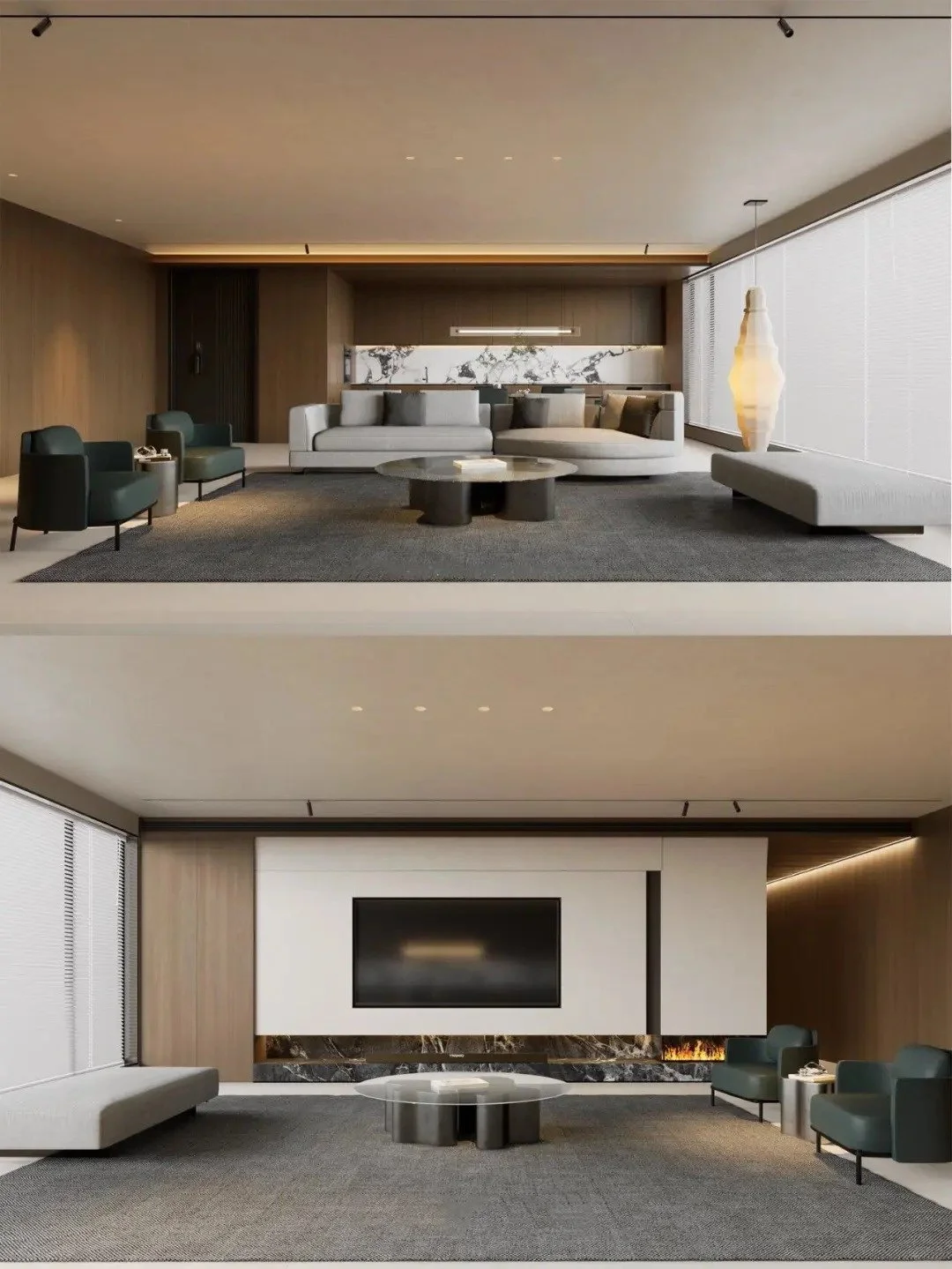
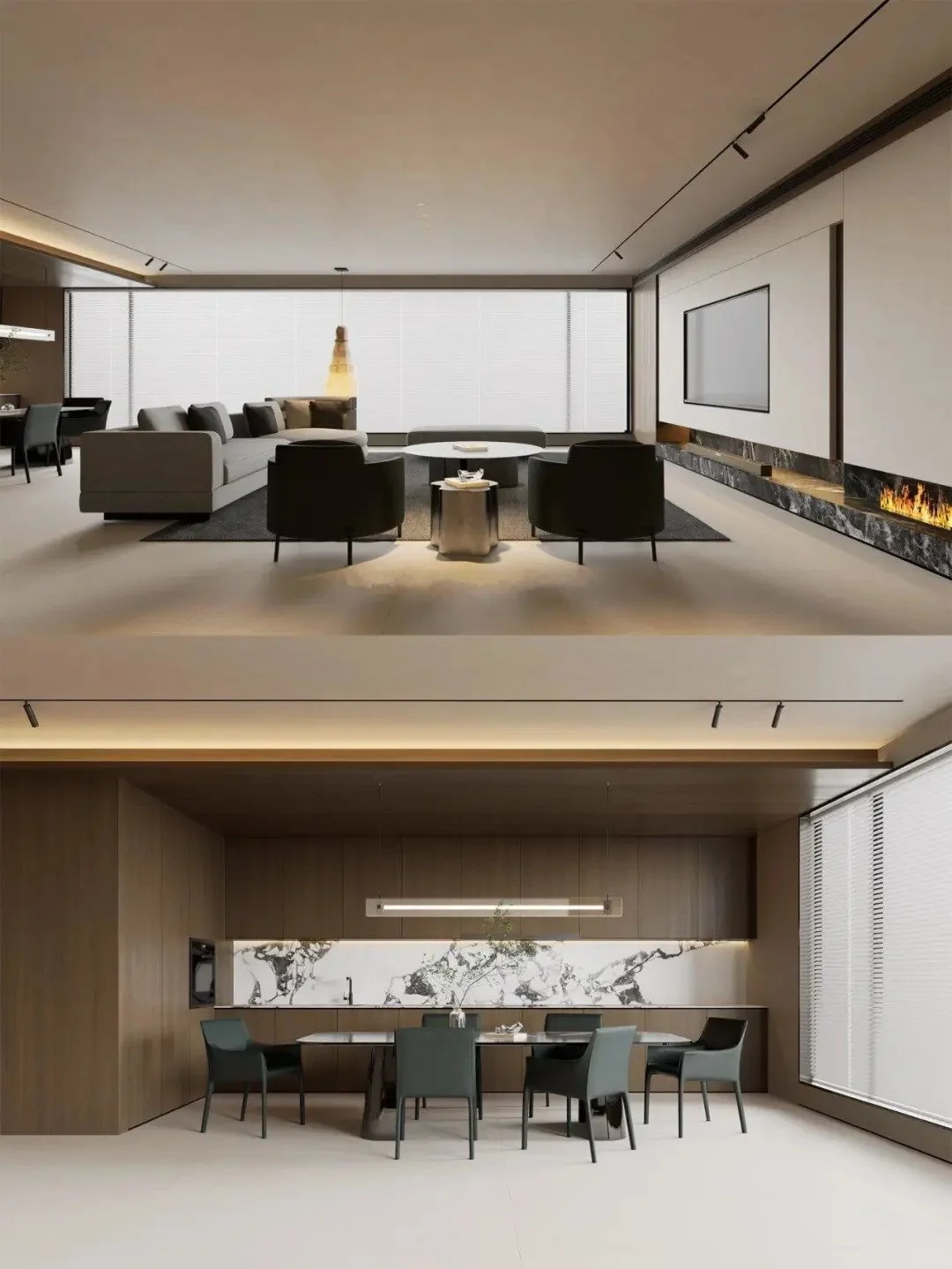
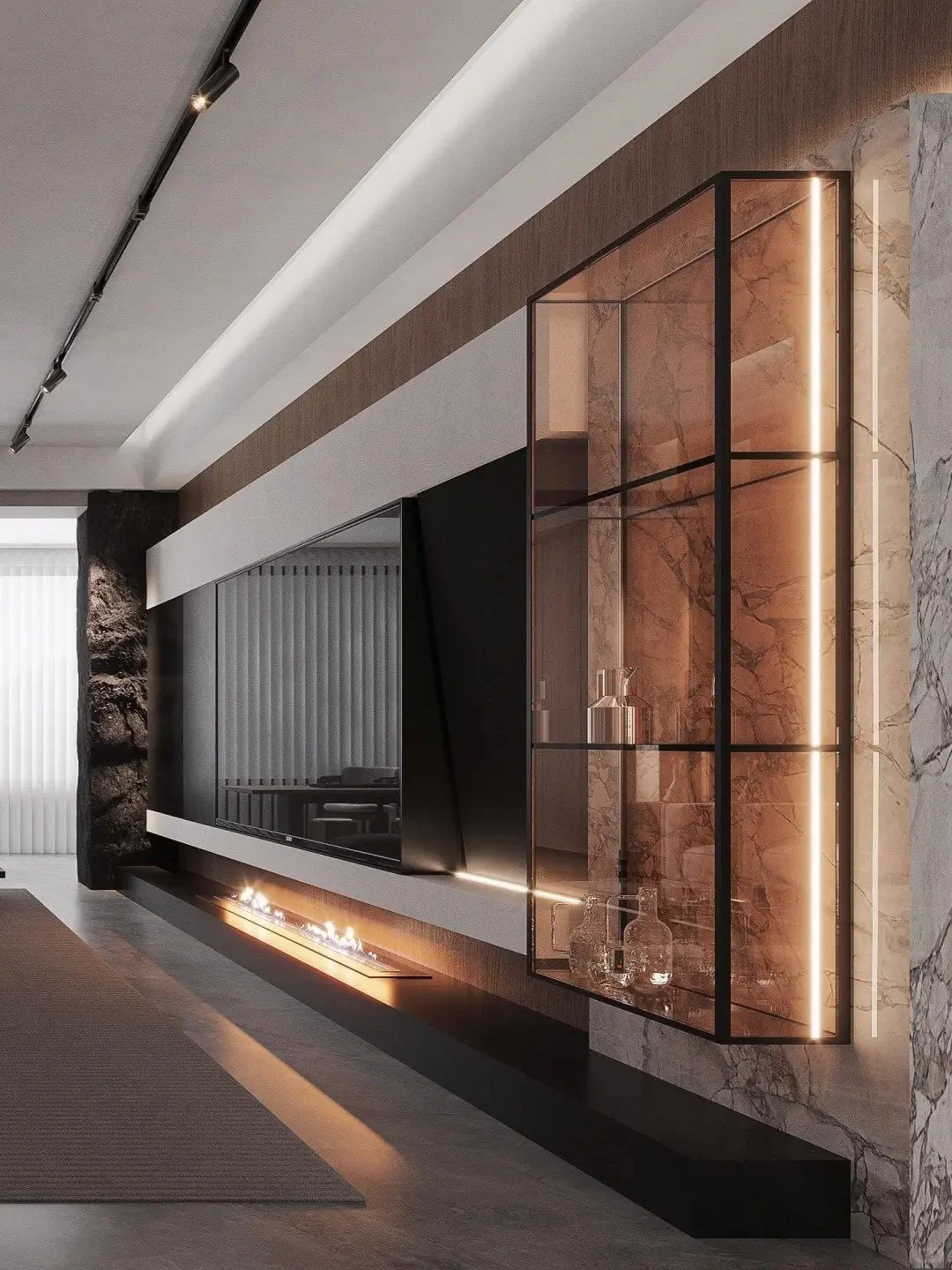
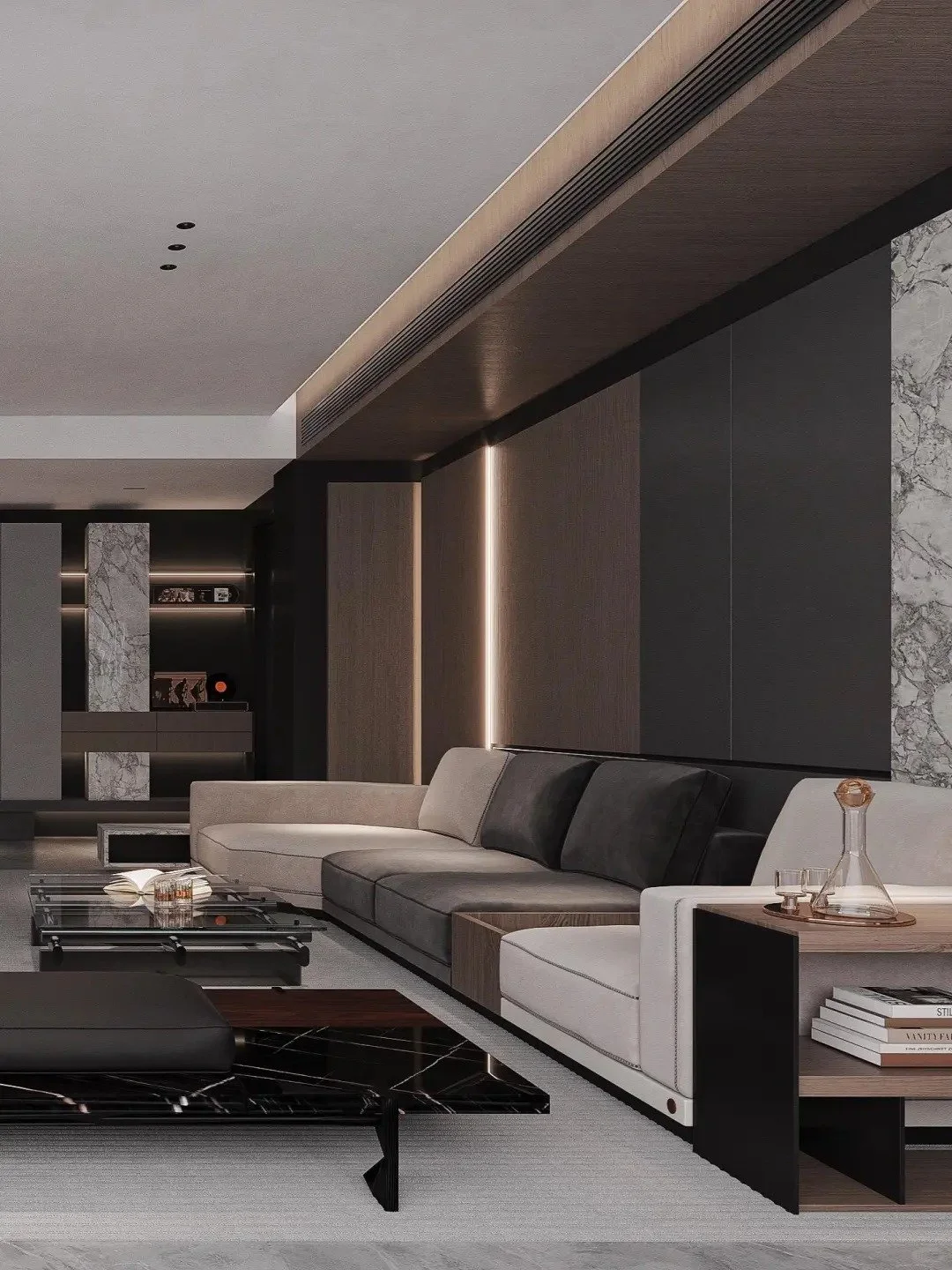
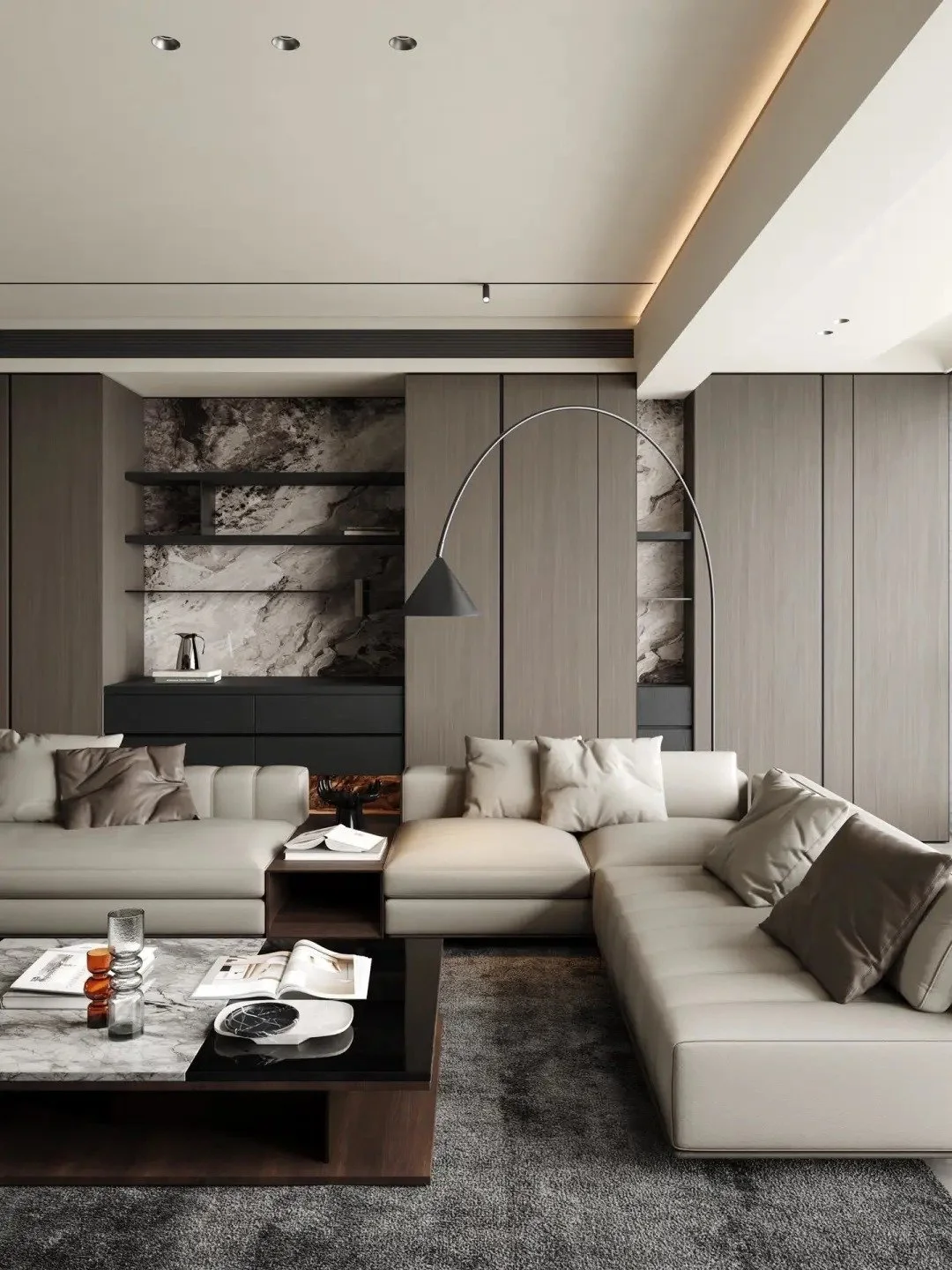
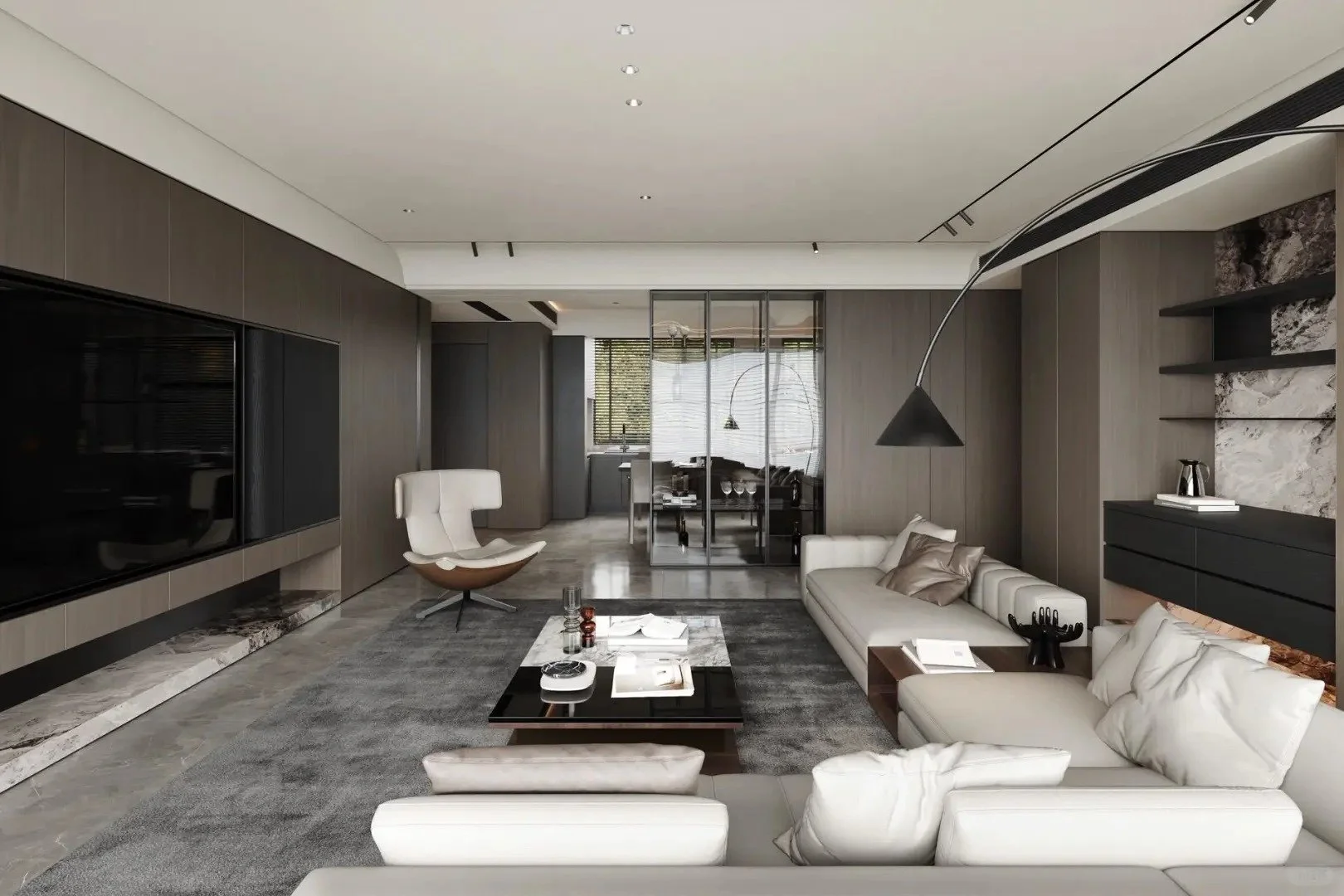
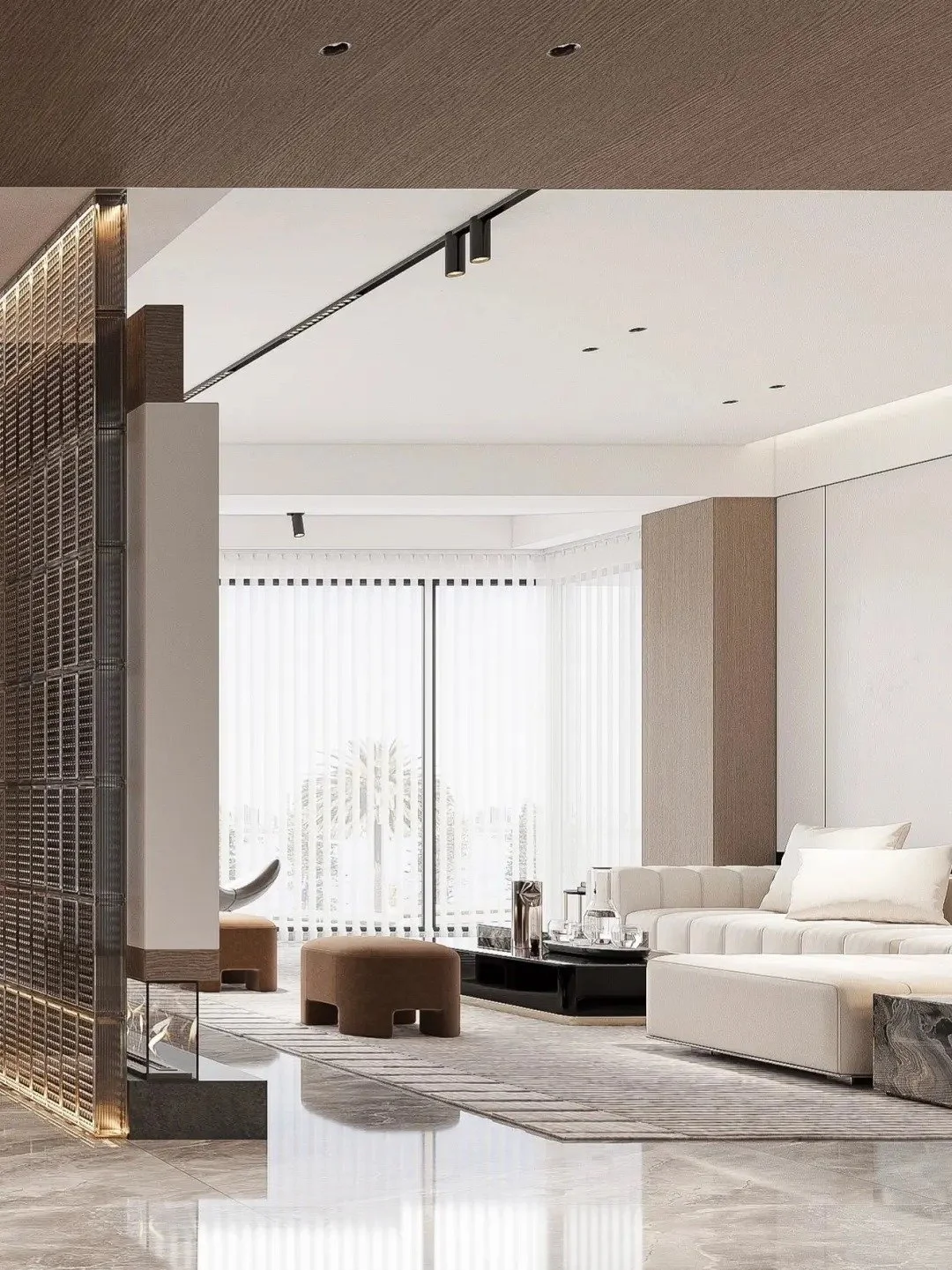
Providing an elite interior design service in Bangladesh recognizes flawless technical execution and a frictionless supply chain. Home For Us Bangladesh operates as a collaborative technical enabler, recognized among the best interior design firms for wealthy clients in Dhaka.
Alongside specialized architectural interventions via H4U home renovation, they empower designers to seamlessly source luxury materials. Whether executing a meticulous premium interior decoration Gulshan project, curating Dhanmondi luxury home decor, or orchestrating a sprawling high-end home renovation in Bangladesh, Home For Us Bangladesh ensures unprecedented access to global fabrication streams, translating visionary curves into tangible reality with absolute precision.
